When it comes to dealing with the up-and-down world of emotions, our children naturally take their cues from us, their parents. That’s why it’s helpful to look at the different ways we parent our child during emotional situations. Long term research by Dr John Gottman and his colleagues identified four different parenting styles. These four different parenting styles influence our children’s social and emotional development.

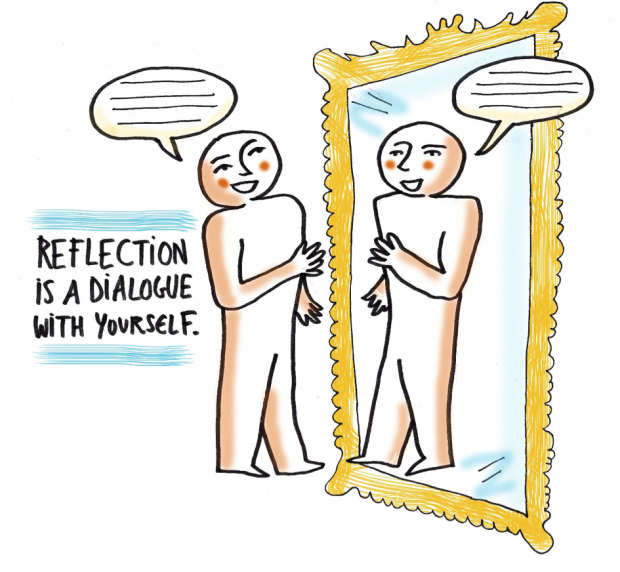
As parents we may have a more dominant parenting style or we may even have elements of all four parenting styles and it can be helpful to reflect on which style you tend to use:
Emotion dismissing: Not attending to, ignoring or minimising the child’s emotions, may still be warm and attentive to the child but avoids talking about/allowing the child to express difficult or unpleasant emotions (e.g. anger, sadness).
Emotion disapproving: Judging or criticising the child’s display of emotions when they are difficult or unpleasant.
Laissez-faire: Permitting the expression of all emotions, but does not help the child to regulate them and solve the problems that have led to those emotions.
Emotion coaching: Being aware of the child’s emotions, viewing the child’s display of emotions as a time for intimacy and teaching, helping the child to verbalise emotions, empathising and validating the child’s display of emotion, and helping the child to solve problems (while still setting limits on behaviour).

Research has shown that children whose parents use emotion coaching have more positive outcomes in a number of areas including emotional competence and ability to self soothe.
What can I do if I want to be more of an emotion coach for my child?
1. Become more aware of your child’s emotions, especially those at a lower intensity.
2. Help your child label what they are feeling.
3. Don’t rush into trying to solve problems when your child is upset.
4. Keep in mind that that what our child considers to be a BIG issue, we may not view it as a big issue. Consider the perspective.
5. Separate emotions from behaviour. Deal with emotion first then behaviours.
Research shows that when parents practice using emotion coaching 30-40 % of the time, children have positive outcomes.
What if I want to know more?
Attend our Parenting Information Session – Exploring Children’s Emotion or get in touch with Annette to make an appointment.