How Do Emotions Work?

Emotions and body.jpg

I just wanted to share with you all what the energy from our emotions looks like in our bodies and how emotions work. Look at how happiness fills our body with warmth in comparison to a very low mood such as sadness. Anxiety tends to generate energy in our chest area – heart beating faster and shallow breathing. I wonder if you notice this about your body? If you have ever felt your stomach lurch from anxiety or your heart palpate with fear, then you realise that emotions also cause strong physiological reactions. Many of the physiological responses you experience during an emotion, such as sweaty palms or a racing heartbeat, are regulated by the sympathetic nervous system.

When it comes to our emotions; our body is the first place to register that we are feeling an emotion. It then sends signals to the brain which then label and process the emotion.

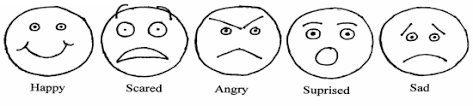
When teaching children about emotions it is always useful to explore how their body feels. Children can often experience emotions as confusing or overwhelming or not know the words.

By teaching children to tune into their bodies “how does your body feel?” or even highlighting to them what you notice i.e. clenched fists, tense bodies like an uncooked spaghetti… It helps children make the connection to their bodily sensations and the emotion.

Handy Tip:

For those children whose emotions generate a lot of energy in their body, to help them release some of the tension you may like to have a go at doing a progressive muscle relaxation exercise with them.

For more information on exercises to do with children check out I’m Anger – Parent and Educator Guide and Emotion Strategy Cards in the Shop or register interest for Emotion Detectives Group Program

Emotion Parenting Styles

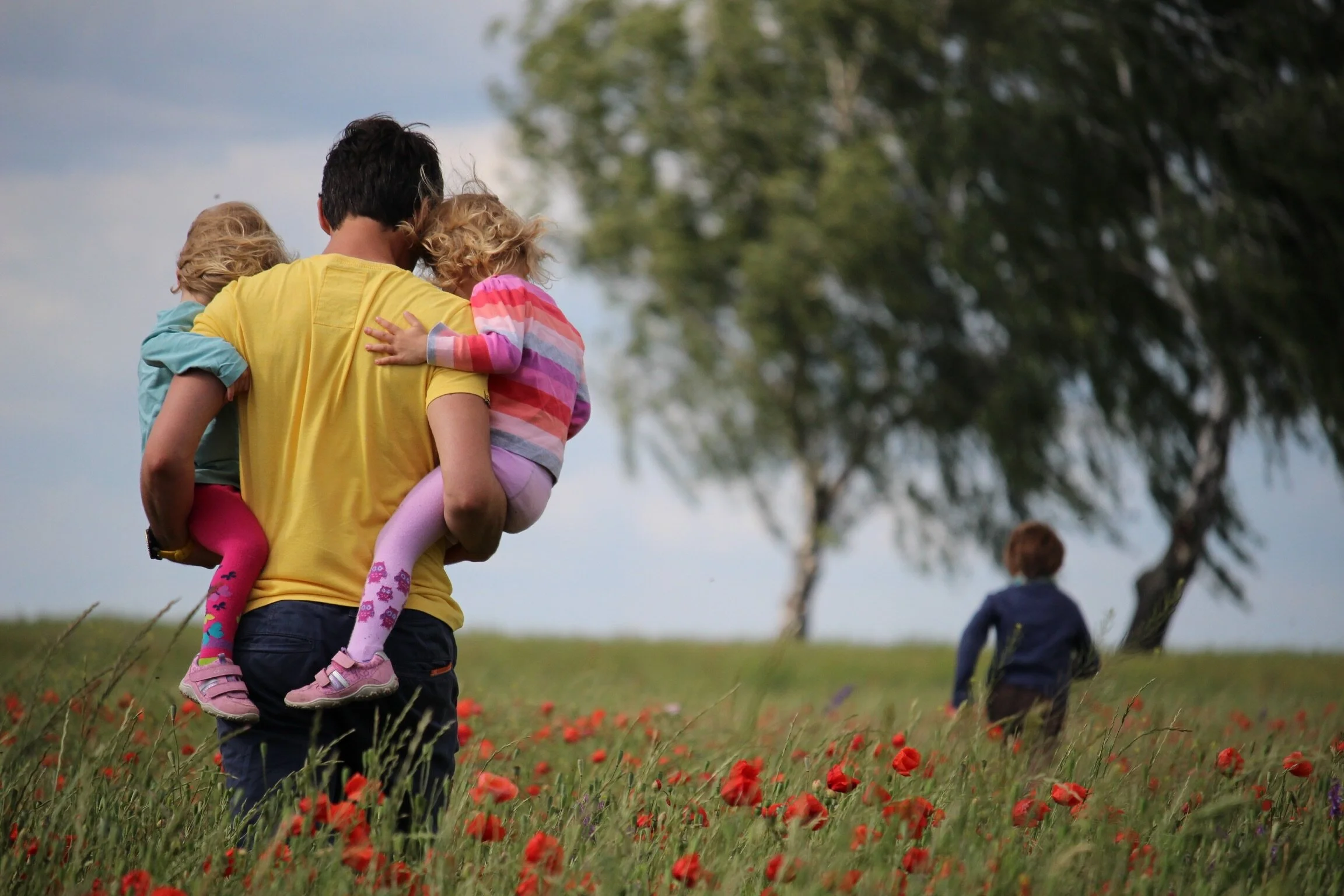
When it comes to dealing with the up-and-down world of emotions, our children naturally take their cues from us, their parents. That’s why it’s helpful to look at the different ways we parent our child during emotional situations. Long term research by Dr John Gottman and his colleagues identified four different parenting styles. These four different parenting styles influence our children’s social and emotional development.

Emotion Coaching.jpg

As parents we may have a more dominant parenting style or we may even have elements of all four parenting styles and it can be helpful to reflect on which style you tend to use:

Emotion dismissing: Not attending to, ignoring or minimising the child’s emotions, may still be warm and attentive to the child but avoids talking about/allowing the child to express difficult or unpleasant emotions (e.g. anger, sadness).

Emotion disapproving: Judging or criticising the child’s display of emotions when they are difficult or unpleasant.

Laissez-faire: Permitting the expression of all emotions, but does not help the child to regulate them and solve the problems that have led to those emotions.

Emotion coaching: Being aware of the child’s emotions, viewing the child’s display of emotions as a time for intimacy and teaching, helping the child to verbalise emotions, empathising and validating the child’s display of emotion, and helping the child to solve problems (while still setting limits on behaviour).

emotions.png

Research has shown that children whose parents use emotion coaching have more positive outcomes in a number of areas including emotional competence and ability to self soothe.

What can I do if I want to be more of an emotion coach for my child?

1.      Become more aware of your child’s emotions, especially those at a lower intensity. 

2.      Help your child label what they are feeling. 

3.      Don’t rush into trying to solve problems when your child is upset. 

4.      Keep in mind that that what our child considers to be a BIG issue, we may not view it as a big issue. Consider the perspective. 

5.      Separate emotions from behaviour. Deal with emotion first then behaviours.

Research shows that when parents practice using emotion coaching 30-40 % of the time, children have positive outcomes.

What if I want to know more?

Attend our Parenting Information Session – Exploring Children’s Emotion or get in touch with Annette to make an appointment.

emotion coaching 2.jpg

What is the Meta- Emotion Philosophy?

When we reflect on our children’s emotions and talk about our child’s emotional expression or even explore strategies to help them regulate….. where should we start??

How about we start with ourselves as parents.

Children learn about emotions through us as parents, what we role model to them and the value we place on emotional expression.

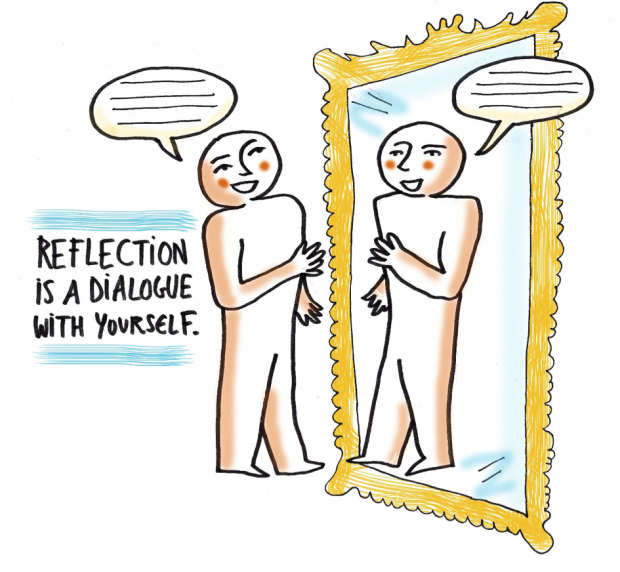
So, I want you to take a few moments to consider the following:

  • What does my emotional expression look like and sound like?

  • Is this similar or dissimilar to my child’s?

  • What is my views and beliefs of emotional expression?

  • How do I respond when my child expresses their emotions (it may be a different response for different emotions).

  • What did I learn about emotions growing up that I bring to my adult life?

Our attitudes and beliefs about emotions were influenced by our own families of origin. How we feel about feelings – our own emotional background – is called Meta-emotion philosophy. This philosophy which we hold continues to be refined over our life, influences the beliefs and responses that we have to our own children’s emotions.

During the early years of our children’s development, children depend on us as parents to assist them to regulate their emotions. As they develop, we teach them about emotions and increasingly they begin to understand and then regulate their own emotions. Some parenting styles have been found to be optimal in this regard.

Over the next few blogs, I will talk about the following parenting styles when it comes to emotions:

  • Emotion Dismissing

  • Emotion Disapproving

  • Laissez-faire

  • Emotion Coaching

So, in the mean time I what you to think about your meta-emotion philosophy.

Chat soon

Annette

ReflectionDialogue blog.png