"He said".... "She said" - The Sibling Squabbles

sibling rivalry - main.png

Sibling squabbles are normal, very common and all a part of growing up. Even in our adult life we experience conflict. How children learn to navigate their sibling and family relationships provides them with the foundation on how to navigate conflict in their relationships through the various stages of development.

Often as parents we have thoughts of “why can’t they get along?”, “why does it have to be a competition”, “how can I get them to treat each other with more kindness.”

Sometimes we can see disagreements occur between our children because:

  • They view the same situation differently

  • Feelings of unfairness, let down or injustice surface.

  • Competition

  • Having to share

  • Attention

But there is an upside to sibling squabbles. As children learn to navigate squabbles with their siblings they are learning rich social skills – communication, empathy, negotiation, values, behaviours and problem solving (just to name a few) and we have the opportunity to support these skills.

Remember children aren’t born knowing how to handle disagreements and as their conflict resolution skills develop, we see a shift in their disagreements and it doesn’t last forever.

I want to take a moment to look at the differences in squabbles as our children walk through the various stages of development.

toddler conflict.jpg

TODDLERS

I like to call the toddler stage “I do”, “No” and “Mine” stage. Toddlers have a new found independence as they are standing on their own two feet, walking, talking and feeding themselves. But at this stage toddlers pit fall is their social skills – turn taking, following rules and instructions. Have you noticed with your toddler that they are possessive over objects? Just move or take a toy and it is game on; as they scurry over to snatch back their toy and say “mine”.

Squabbles at this period of development center around objects, toys and they are easily frustrated, because they don’t have the ability to reason with other children nor communicate their emotions. So how do we see toddlers resolve conflict? Snatch, hit, bite, push or scream.

PRESCHOOLERS

If we survive toddler squabbles it gets easier as we approach the preschool age period where their language and ability to communicate is flourishing, they are learning social norms of turn taking and sharing. When we intervene in their squabbles, we can reason much better. The number one trigger that sets off preschoolers is fairness. A squabble may erupt when someone cheats, isn’t sharing or isn’t following the rules. Our preschoolers are going to need our support to problem solve situations they just don’t have the thinking capacity and have you noticed their impulsive tendencies. This is because their rational thinking is underdeveloped and their response to conflict is filtered through their emotional lenses. Hence, we can experience whinging responses and even those aggressive reactions.

school aged child.jpg

PRIMARY SCHOOL AGED

In the early stages of primary school, we tend to see the competitive behaviours emerge. However, the positive is that children at this stage are really cementing their social skills with the added bonus of compromise is now present. Although fairness can still be an undercurrent of their squabbles. Children at this stage can better communicate how they feel, identify the problem and attempt to problem solve. They still require us as parents to guide them through as their emotional regulation skills are still developing so we can still see children push or hit their sibling out of anger or frustration.

The main standout difference between early primary and senior primary school aged children is the nature of their squabbles. when children reach senior primary school age (8-12 years), this stage we see fewer physical reactions to sibling squabbles and more verbal squabbles that include name calling and even swearing.

Our role can shift to a referee/ mediator as we teach children at this stage to hear each other out and talking about how the situation has left them feeling as well as understanding how their actions have impacted on their sibling. This is where we start to see empathy emerge.

We really want to help children at this stage and the teenage years to shift from finger pointing and more on taking ownership, being accountable and showing responsibility. This comes down to what we as parents role model, being aware of what emotional intensity we bring and the questions we ask our children such as “how did it leave you feeling?”, “what could you hear your brother say”, “what is your sister asking for?” We really want to get children at this stage to use ‘I’ statements as it takes away the accusations therefore leaving their sibling more open to the conversation for example: When (situation)…………. I felt/ feel……………. I would like……………

TEENAGERS

We tend to see a peak in sibling squabbles at the teenage years. At stage of development focuses on independence and identity formation. Squabbles can center around – perceived authority, equality, fairness, personal space, belonging and friends.

Add into the mix of this a whole bunch of hormones and let’s strap in for a bit of a bumpy ride. The best way I can summarize this period in terms of sibling conflicts is just be patient and kind with our teenagers. They are finding themselves again, its like they are at the toddler years, but just in bigger bodies exploring the world through a new set of glasses and how their identity relates to others. So, what they squabble about one day may not be an issue the next. They can resort back to communicating with their body language and non-verbal utterance.

So in a nutshell, sibling squabbles are all about learning to communicate, learning how to relate to others and learning to problem solve. By first understanding what happens developmentally for children can help us as parent alter our approach to meet their needs.

Stay tuned for some tips on addressing sibling squabbles in the next blog.

teenagers arguing.jpg

The Emotional Roller Coaster at Pick-Up Time.

emotion restraint collapse.JPG

Have you noticed when you pick up the children from day care, kinder or school that they are quick to escalate with intense emotions? Which leaves you wondering where did all that come from, I just asked how your day was.

There is a term used for this state called Emotion Restraint Collapse.

If you think of our child's day of learning and processing information, add into the mix is lots of conscious and unconscious sensory input, and the additional range of emotions children will experience throughout their day that they don’t acknowledge. Their brain is flooded with information, their emotional tanks are well and truly depleted, that the body and brain need to release the tension that is generated (like a pressure cooker). Sometimes that outlet in on us because there is safety in our relationship.

So, what can we do when the eruption happens? Connect. If they are complaining and frustrated, empathise and acknowledge the struggle and just be present. When children feel acknowledged the intensity of situations de-escalates quickly. Help them problem solve situations as they may not have the emotional resources to.

Another handy little tip is to have a snack in the car just to eliminate those "hangry" feelings.

Be mindful not to bombard them with too many questions about their day right away. Hold off on the questions about their homework or who did you play with. Instead shift focus on what meal you may be having for dinner, an activity or something they may be looking forward to.

If you are driving home put on the radio and stay quiet. If you are walking, say little or just comment on the nice little things you notice.

Just a little reminder that not matter if we look at our routine at pick up time, it is expected that emotional eruptions will sometimes still occur despite all our efforts. This is a normal part of being, because guess what? It happens to us adults as well. We can experience the same emotional eruptions after a long day of looking after the children or being at work.

Remember… the key is to slow things down and connect.

Let's Enter Into The World Of Play

play 2.jpg

We have been our children’s playmate for a few months now whilst the covid-19 restrictions have been in place. I know that playing with our children can feel uncomfortable, repetitive, boring… but to our children play is their world.

Play is where the magic of development takes place. Social skills, language, problem solving, fine and gross motor skills flourish.

Sometimes, it is our own feelings that can impact the way we play. We might choose what to play just so we know that there is an end point or because our minds are so preoccupied with the numerous amounts of task that we need to complete on our ‘to-do’ list. That the thought of just sitting and being can feel overwhelming. I know for me when I am playing barbies with my girls, I start playing and somehow drift into tidying their barbie house, fixing their dolls and just like that my attention has shifted.

So, I started thinking about children and play as I watched and heard my girls playing. The laughter, the fun and the sheer joy (and no it’s not like that all the time as they do squabble). Play is truly powerful and purposeful! When we join in with our children, play enriches families. Let’s take a moment to consider how children view play with us… special time to connect, laugh, have fun and be silly. Children get to experience us in a different light or role. Have you noticed that when we leave play with our children they often say “just one more round”, or “2 more minutes” or “please play a little bit more”. That’s because our children love to be with us.

If you think about the influence that play has on our families, it is heart-warming. It brings positive energy and fills our house with optimism.

I want to set you a challenge, to create a family tradition centred around play. Give yourself permission to put the ‘to-do’ list on hold and allow yourself to simply be with your children, it doesn’t have to be for long hours. Small burst of time is better than none. As parent’s let’s lighten up a bit… let’s have a dance off, a fancy tea party, shoot some hoops… anything that brings a smile and some laughter to our face and that of our children. In my family, we regularly have a board game night with Beat the Parents Board Game a belly laughter of a game. It is a technology free zone, no phones, no TV… some special treats and silliness. I know that babies and toddler do demand more time in play with us than do our school aged children. Just consider what play means to you, your children and your family.

Let’s create wonderful memories that fill our heart and theirs with warmth.

play.jpg

The Mysterious World of Tantrums and Toddlerhood.

tantrum 1.jpg

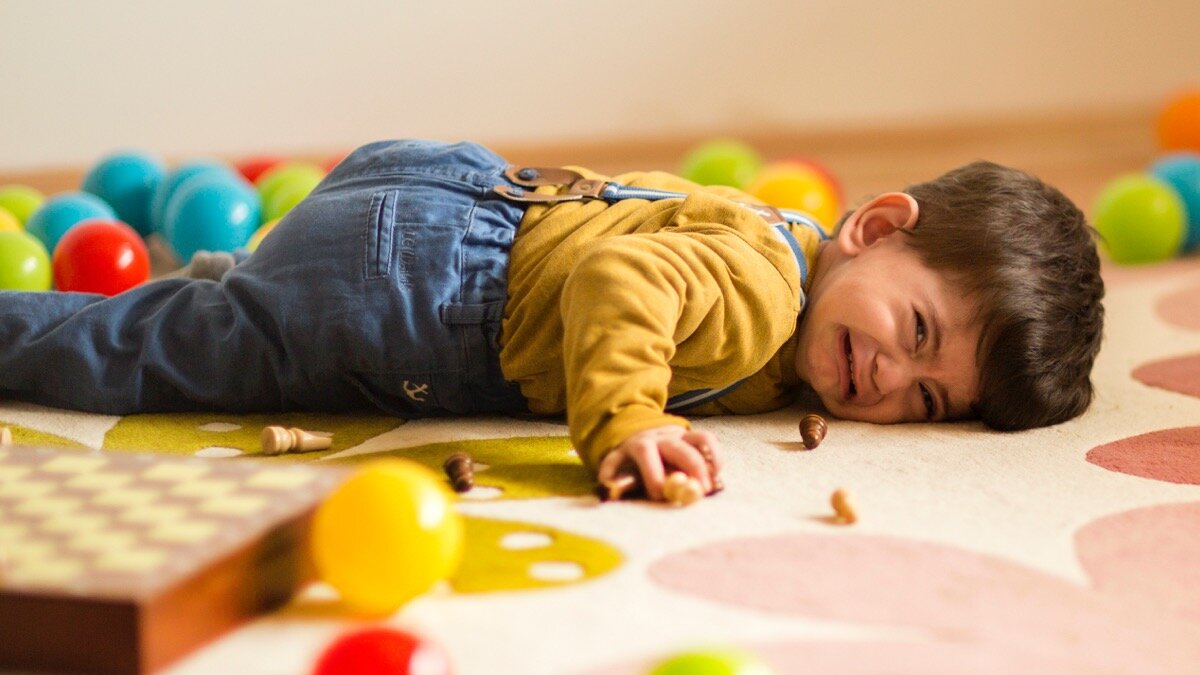
Whining, screaming, hitting, biting, breath holding… are all behaviours that we might see when our children are in melt down mode. I’ve had some doozy of tantrums with my children when they were toddlers, some have taken place in public… even the wonderful back arching or stiffening of body have made an appearance in carparks and shopping centers.

growth chart.png

Before we go any further, I want us to consider the developmental transition from infancy to toddlerhood. Although toddlerhood comprises of 2 percent of the lifespan, it is one of the most remarkable and busiest times of development. This period brings on dramatic changes in the body and brain to support the emergence of a wide array of motor, perceptual and cognitive capabilities. We see the beginning of language and our toddler takes their first steps which are all signs of our child making a shift from dependence to autonomy. At this stage of development our toddler is very egocentric as social and emotional skills are immature. Their ability to see others needs or express empathy is very limited.

Let’s normalize tantrums. All children experience them and they are apart of child development. They are equally common in boys and girls and we tend to see tantrums emerge at the age of 1 and are at their peak between 1- 3years.

So, why do they occur? There are a number of underlying reasons why tantrums occur, let’s explore them:

  • Toddlers under developed language skills contributes to the difficulty they have in communicating their needs. Toddlers find it difficult to say what they want, feel, or need, a frustrating experience may leave them feeling misunderstood. As language skills improve, tantrums tend to decrease.

  • Toddlers are eager to explore the world around them now and assert their newly found and growing independence. Wanting to feed themselves, walk rather than be pushed in a stroller.

  • Tantrums are how toddlers show their emotions, they are yet to make the connection nor have the emotion vocab to put language to their feeling states.

  • Toddlers don’t have the executive functioning skills to put the pieces together to help interpret situations and the world around them. Sometimes their world is very overstimulating, that tantrums are communicating that they are overwhelmed.

  • A child’s temperament also influences how quickly and strongly they react to situations.

  • Now that toddlers have created an attachment to a familiar caregiver, separation anxiety cause tantrums as they become upset when the adult they rely on leaves.

When our child is in these states it can be challenging to support them. My go to, even now that my children are 6 and 10 is to eliminate the following: are they hungry, thirsty, overstimulated or tired?

The number one rule for tantrums is to remain calm. I know our children’s behaviour can be really difficult during these times especially when we are out and about. We can feel pressure from onlookers to quieten our child or discipline them. We can really take their behaviour as a personal attack “I’m not a good parent”, “my child doesn’t love me”. Staying calm through our tone of voice and body language can soothe our child.

There are a whole range of strategies that people talk about when addressing tantrums: planned ignoring, time out, distractions, thinking mat, sticker charts, praise etc. Yes, I have used these in my early parenting years. How we respond to our toddlers tantrums depends on the cause. Maybe we can look at tantrums through a different lens an ask ourselves “what is my child struggling to communicate?”  When we answer this, we can implement the right of strategy.

Identify Tantrum Triggers

When tantrums start to emerge we may quickly see a pattern and start to identify what sets off a tantrums. When we can identify triggers we can plan around them. Here is an example on how you could track tantrums focus on time of day, what was occurring before the tantrum?, behaviour and response

Tuning in.jpg

Tuning In

My go to when I know that tantrums are fueled by emotions is to “Tune In”. Tuning in and stepping in at this early stage of development helps our toddler to develop skills. By tuning in we are supporting our toddler with feeling words so that they can make a connection, we are giving them language so that they can learn new words to communicate with. While tuning in we are modelling ways to calm down our body. For example “Did you throw your car because it wasn’t working and this made you feel angry. Our toys are special, we need to care for them.” Toddlers who are in danger of hurting themselves or others during a tantrum should be taken to a quiet, safe place to calm down.

Planned Ignoring

We can see tantrums emerge when we have refused something, staying calm and don't give a lot of explanations for why your toddler can't have what they want. Move on to another activity with your toddler. If a tantrum happens after your toddler is told to do something they don’t want to do, it's best to ignore the tantrum. But be sure that you follow through on having your toddler complete the task after they are calm. You might do it together. As your child is doing what is asked, it the perfect opportunity to encourage and praise the positive behaviour.

Controlled Choices

As toddlers are thriving on their newly found independence you can give controlled choices. “Would you like to brush your teeth before bath time or after?”

When we have given our child too much information when we are asking them to do something. Remember toddler’s attention span is very limited and their ability to hold and respond to our requests draws on their cognitive capacity which is still developing. So, one instruction at a time with some guidance and lots of praise.

And finally, we need to be consistent and calm in our approach. I know this really hard. I have given in plenty of times, just so the whining would stop and boy o boy did my children remember.

So, I hope you have found this helpful and reassuring when tackling tantrums in toddlerhood.

toddler end 2.jpg

The Jittery Worries As We Return To School

In Victoria children are beginning to prepare to return to school. As much as remote learning was a challenge…. a roller coaster of a journey. Now many parents across Victoria, including myself embark on the next challenge of returning to school.

I don’t know about you, but I definitely feel nervous. I have been thinking about what is making me feel this way? Do my children feel the same? Are teachers and other parents feeling nervous? Then I realised I am really worried about what school will now look like for my children… their new normal. But hang on… this is all about change and how well do we as adults manage change? Some better than others. So, if you feel a little stressed, worried, anxious or just so excited not to be home schooling keep reading as I share a few tips and tricks for us as parents and for our children as we begin the transition into the next phase of returning to school.

First let’s acknowledge FEELINGS. The minute we acknowledge and validate our own emotions or those of our children the intensity of the situation and emotional state decreases. Jittery nerves worsen when feelings are overlooked, dismissed or not expressed. They create an internal dialogue that a situation or feeling needs to be avoided.

Let’s get out of our heads. When we get stuck in our head and for children this might sound like “what if I get sick?”, “what if someone sneezes in class?”, “can I hug my friends?”…. it feeds the emotional state, the intensity of the emotion gets bigger and then comes the reactive thoughts and behaviours as the emotional brain (amygdala) is ignited and responds by ‘flight’, ‘fight’ or ‘freeze’ responses. So, what does this mean… we might notice our children have bursts of anger that you think “where did that come from?”, they maybe more irritable or fidgety,  they may withdraw and appear quieter than normal, decrease in their appetite, restless sleep or difficulty getting to sleep. We might start to hear them talk about physical complaints, “I have a headache” or “I have a sore tummy.” These are all responses of the amygdala trying to protect us.

When I talk with children about the thoughts in their head and getting stuck, I get them to imagine what their worry might look like if it were a bug or monster. Our bug or monster LOVES worries and LOVES it when we feel this really uncomfortable feeling. Our worry bug or monster grows every time we overthink situations or feelings. We can stop feeding our worry bug or monster by breaking down the situation and identifying it as either a Small, Medium or Large feeling and from there problem solving and creating achievable steps for our children.

Have you noticed that when we feel nervous, worried or fearful we feel out of control. Another strategy is to brainstorm with children what is in their control and what is not. This helps children and adults feel more empowered over the situation and develop confidence/ resilience.

control_detail.jpg

Keep things simple, get your family back into routine. Early nights are so important for good mental health.

Grounding techniques are wonderful to help children refocus on the here and now. Progressive muscle relaxation, engaging the senses etc. I have created  a FREE download resource  “A Mindful Break” that contains a number of useful mindfulness exercise to help calm our children’s nervous system and re-engage their prefrontal cortex so that they can think more rationally.

Breathing.JPG

You might like to make a list of what children are looking forward to in going back to school.

As parents we need to keep our own emotions in check. We can help our children by managing our own emotions. Just a reminder that we need to give our children more credit. They are more adaptable and resilient than we think. We are all experiencing a collective trauma. It’s OK to feel what you are feeling. It is always hard to readjust after a stressful period. Remember deep breaths you’ve got this!

For additional support: please get in touch or contact Kids Helpline 1800 55 1800

How Do Emotions Work?

Emotions and body.jpg

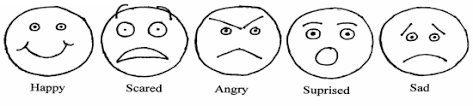
I just wanted to share with you all what the energy from our emotions looks like in our bodies and how emotions work. Look at how happiness fills our body with warmth in comparison to a very low mood such as sadness. Anxiety tends to generate energy in our chest area – heart beating faster and shallow breathing. I wonder if you notice this about your body? If you have ever felt your stomach lurch from anxiety or your heart palpate with fear, then you realise that emotions also cause strong physiological reactions. Many of the physiological responses you experience during an emotion, such as sweaty palms or a racing heartbeat, are regulated by the sympathetic nervous system.

When it comes to our emotions; our body is the first place to register that we are feeling an emotion. It then sends signals to the brain which then label and process the emotion.

When teaching children about emotions it is always useful to explore how their body feels. Children can often experience emotions as confusing or overwhelming or not know the words.

By teaching children to tune into their bodies “how does your body feel?” or even highlighting to them what you notice i.e. clenched fists, tense bodies like an uncooked spaghetti… It helps children make the connection to their bodily sensations and the emotion.

Handy Tip:

For those children whose emotions generate a lot of energy in their body, to help them release some of the tension you may like to have a go at doing a progressive muscle relaxation exercise with them.

For more information on exercises to do with children check out I’m Anger – Parent and Educator Guide and Emotion Strategy Cards in the Shop or register interest for Emotion Detectives Group Program

Emotion Parenting Styles

When it comes to dealing with the up-and-down world of emotions, our children naturally take their cues from us, their parents. That’s why it’s helpful to look at the different ways we parent our child during emotional situations. Long term research by Dr John Gottman and his colleagues identified four different parenting styles. These four different parenting styles influence our children’s social and emotional development.

Emotion Coaching.jpg

As parents we may have a more dominant parenting style or we may even have elements of all four parenting styles and it can be helpful to reflect on which style you tend to use:

Emotion dismissing: Not attending to, ignoring or minimising the child’s emotions, may still be warm and attentive to the child but avoids talking about/allowing the child to express difficult or unpleasant emotions (e.g. anger, sadness).

Emotion disapproving: Judging or criticising the child’s display of emotions when they are difficult or unpleasant.

Laissez-faire: Permitting the expression of all emotions, but does not help the child to regulate them and solve the problems that have led to those emotions.

Emotion coaching: Being aware of the child’s emotions, viewing the child’s display of emotions as a time for intimacy and teaching, helping the child to verbalise emotions, empathising and validating the child’s display of emotion, and helping the child to solve problems (while still setting limits on behaviour).

emotions.png

Research has shown that children whose parents use emotion coaching have more positive outcomes in a number of areas including emotional competence and ability to self soothe.

What can I do if I want to be more of an emotion coach for my child?

1.      Become more aware of your child’s emotions, especially those at a lower intensity. 

2.      Help your child label what they are feeling. 

3.      Don’t rush into trying to solve problems when your child is upset. 

4.      Keep in mind that that what our child considers to be a BIG issue, we may not view it as a big issue. Consider the perspective. 

5.      Separate emotions from behaviour. Deal with emotion first then behaviours.

Research shows that when parents practice using emotion coaching 30-40 % of the time, children have positive outcomes.

What if I want to know more?

Attend our Parenting Information Session – Exploring Children’s Emotion or get in touch with Annette to make an appointment.

emotion coaching 2.jpg

What is the Meta- Emotion Philosophy?

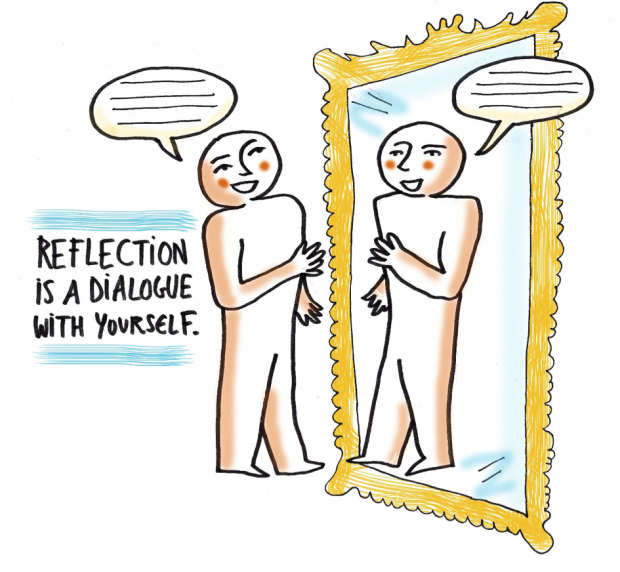
When we reflect on our children’s emotions and talk about our child’s emotional expression or even explore strategies to help them regulate….. where should we start??

How about we start with ourselves as parents.

Children learn about emotions through us as parents, what we role model to them and the value we place on emotional expression.

So, I want you to take a few moments to consider the following:

  • What does my emotional expression look like and sound like?

  • Is this similar or dissimilar to my child’s?

  • What is my views and beliefs of emotional expression?

  • How do I respond when my child expresses their emotions (it may be a different response for different emotions).

  • What did I learn about emotions growing up that I bring to my adult life?

Our attitudes and beliefs about emotions were influenced by our own families of origin. How we feel about feelings – our own emotional background – is called Meta-emotion philosophy. This philosophy which we hold continues to be refined over our life, influences the beliefs and responses that we have to our own children’s emotions.

During the early years of our children’s development, children depend on us as parents to assist them to regulate their emotions. As they develop, we teach them about emotions and increasingly they begin to understand and then regulate their own emotions. Some parenting styles have been found to be optimal in this regard.

Over the next few blogs, I will talk about the following parenting styles when it comes to emotions:

  • Emotion Dismissing

  • Emotion Disapproving

  • Laissez-faire

  • Emotion Coaching

So, in the mean time I what you to think about your meta-emotion philosophy.

Chat soon

Annette

ReflectionDialogue blog.png