

Starting school is one of the biggest transitions in early childhood. It’s an exciting milestone filled with new routines, relationships, and opportunities — but it can also bring uncertainty, tiredness, and emotional ups and downs.
Every child experiences this transition differently, and there is no “right” way to feel. This guide is designed to support parents in helping their child feel emotionally ready, confident, and supported as they take this important step.
It gently explores how children’s brains respond to change, alongside practical strategies for emotional regulation, building independence, and supporting both neurotypical and neurodiverse children during the transition to Prep.
Understanding Big Feelings and the Developing Brain
Starting school means children are navigating new rules, relationships, and expectations — often all at once. To manage this, they rely on their developing brain, which is still learning how to regulate big emotions.
How the Brain Works During Emotional Moments
The brain has different parts that work together when we experience strong feelings:

Amygdala (“Protective Porcupine”) – This is the brain’s alarm system. It reacts quickly to perceived danger or stress and activates the fight, flight, or freeze response.
Prefrontal Cortex (“Thoughtful Turtle”) – This is the calm, thinking part of the brain that supports planning, decision-making, and problem-solving.
The Connection Between the Two – When children feel safe and calm, these parts work together. When they feel overwhelmed or stressed, the protective porcupine takes over — and access to thinking and reasoning becomes much harder.
The Fight, Flight, Freeze Response
When a child’s protective brain senses threat — such as a new environment, loud noise, or separation from a caregiver — their body may respond in different ways:
Fight – arguing, shouting, throwing objects, or defiance
Flight – running away, hiding, or avoiding situations
Freeze – shutting down, becoming very quiet, or appearing detached
These responses are not “naughty” behaviours — they are protective. The child’s nervous system is communicating, “I don’t feel safe right now.”
How Adults Can Support Calm and Regulation
When children are experiencing big emotions, logic and reasoning are often not accessible yet. In these moments, children need co-regulation — the steady presence of a calm, supportive adult.
You can help by:
Staying calm and using a gentle tone and slow movements
Naming the emotion: “You look worried about saying goodbye — that makes sense”
Offering comfort or space, depending on what your child needs
Reconnecting after big emotions to rebuild safety and trust
Over time, repeated experiences of co-regulation help strengthen the brain’s calm pathways, supporting children to gradually manage emotions more independently.
Emotional Regulation Toolbox
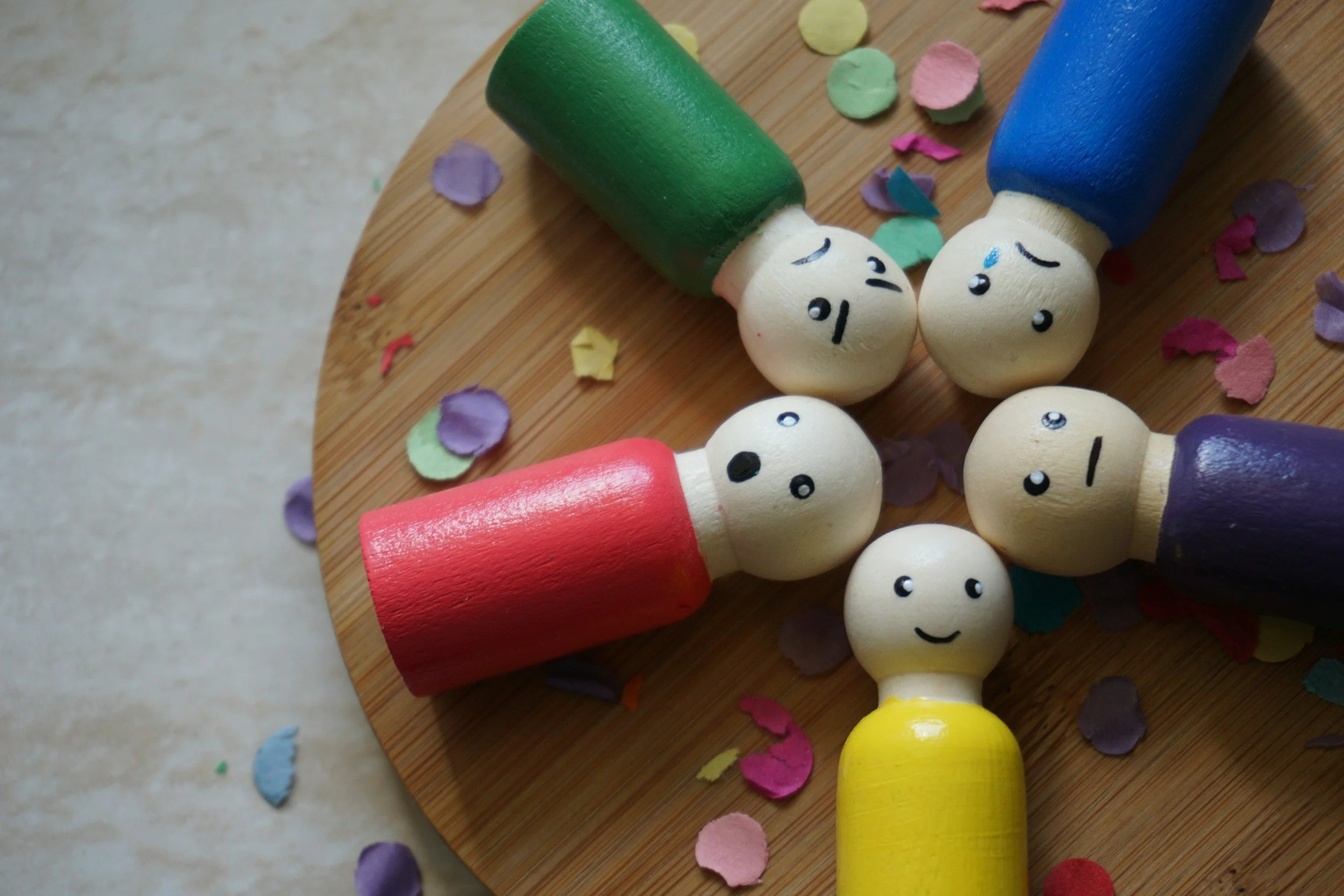
Every child is different, and what works for one may not work for another. Having a range of tools allows children to discover what helps their body feel calm, settled, and ready to learn.
Mindfulness and Calming Strategies
Deep breathing (e.g. “Smell the flower, blow the candle”)
Guided imagery or short relaxation stories (Smiling Mind, Headspace Kids)
Listening to gentle music or calming sounds
Hugging a soft toy or using a weighted lap blanket
A “five senses” grounding activity: name 5 things you see, 4 you feel, 3 you hear, 2 you smell, and 1 you taste
Movement and Letting Off Steam
Dancing, skipping, jumping, or climbing
Playing outside or using swings
Animal walks (bear crawl, frog jumps)
Children’s yoga stretches
Blowing bubbles or balloons to support breath control
Sensory Soothing Tools
Fidget toys or playdough
Sensory bins (rice, beans, water beads)
Weighted items or firm hugs
Gentle rocking or rhythmic movement
Noise-reducing headphones for sound sensitivity
Encourage your child to notice which tools help them feel calm, alert, or focused — this builds self-awareness and emotional literacy over time.
Separation Anxiety
Separation anxiety is common and developmentally appropriate — it’s a sign of strong attachment. When starting school, even children who appear confident may experience clinginess or worry.
Why It Happens
The amygdala interprets separation from caregivers as potential danger. Young children are still developing their understanding of time, so phrases like “I’ll be back soon” can feel uncertain or abstract.
How to Support Your Child
Practise short separations before school begins (playdates, time with trusted adults)
Create a predictable goodbye ritual — the same hug, wave, or phrase each morning
Stay calm and confident; your body language offers reassurance
Avoid sneaking away — instead, say a clear goodbye and leave promptly
Read books about separation and talk about what to expect
Allow a small comfort item (photo, charm, or connection object) if appropriate
For Neurodiverse Children
Children who are autistic, have ADHD, or are highly sensitive often experience transitions more intensely.
Use visual supports such as photos of the classroom, teacher, and daily routine
Create a social story about drop-off and when parents return
Practise the drop-off routine several times before school starts
Use clear, simple language: “First we say goodbye, then you play on the mat”
Collaborate with teachers to ensure consistent drop-off support and sensory accommodations
Building Independence with Confidence
Independence is not about doing everything alone — it’s about feeling capable and trusting oneself to try.
Children build confidence through small successes and repetition. Developing independence reduces anxiety and helps children feel more prepared for school routines.
The Step-Ladder Approach
This approach breaks skills into small, achievable steps, celebrating progress along the way.
Example: Getting dressed
Adult completes the task
Child helps with one item (e.g. socks)
Child completes more steps gradually
Adult offers reminders only
Child completes the task independently
This approach reduces overwhelm and supports success.
Backward Chaining
Backward chaining begins with the final step so children experience success straight away.
Example: Brushing teeth
Adult completes most of the task
Child finishes the last step
Earlier steps are added gradually
This strategy is particularly supportive for children with motor planning differences, ADHD, or autism.
Practical Independence Goals
Opening lunchboxes and containers
Dressing and managing shoes
Toileting and handwashing
Recognising their name and belongings
Asking adults for help
Carrying their own bag
Tip: Praise effort over outcome — “You kept trying” builds confidence and persistence.
After-School Meltdowns
Many children — especially neurodiverse or sensitive children — hold themselves together throughout the school day and release their emotions once they return home. This is often referred to as the after-school crash.
Why It Happens
Mental and emotional fatigue
Sensory overload (noise, lighting, crowds)
Masking worries or emotions throughout the day
Hunger or exhaustion
Supporting Your Child After School
Offer a snack and downtime before talking about the day
Keep afternoons calm and predictable
Choose comforting activities such as cuddles, drawing, quiet play, or movement
Avoid additional demands immediately after school
Validate feelings: “It looks like you’ve had a really big day”
Use visual supports for after-school routines
For neurodiverse children, consider sensory decompression — dim lighting, reduced noise, or quiet time in a favourite space.
Preparing During the Holidays
Familiarisation
Visit the school, classroom, and playground where possible
Take photos and create a “My New School” booklet
Meet the teacher or support staff if available
Routine Practice
Practise morning and evening routines before school begins
Trial “school mornings” — getting dressed, eating breakfast, packing bags
Rehearse drop-offs and short separations
Emotional Readiness
Read books about school and emotions
Role-play being a student, teacher, or parent
Encourage children to share worries and questions
Create a worry box or feelings jar
For Neurodiverse Children
Gradually introduce school uniforms or shoes if there are sensory sensitivities
Use visual schedules for the lead-up to school
Practise transitions with timers or songs
Prepare a calm kit for school (fidget, chewy, photo, or sensory tool)
Helpful Books

Starting School
Starting School – Jane Godwin & Anna Walker
First Day – Andrew Daddo & Jonathan Bentley
School’s First Day of School – Adam Rex
The Kissing Hand – Audrey Penn
All Are Welcome – Alexandra Penfold
Separation and Feelings
Owl Babies – Martin Waddell
The Invisible String – Patrice Karst
Llama Llama Misses Mama – Anna Dewdney
The Huge Bag of Worries – Virginia Ironside
When I’m Feeling Scared / Nervous – Trace Moroney
Final Thoughts
The transition to Prep is not about being “school-ready” in every skill — it’s about feeling safe, connected, and capable. Children grow and adapt at their own pace. With empathy, structure, and consistent support, they can build the confidence needed to navigate this new chapter.
Alongside this guide, you might find it helpful to explore my second handout, “Handy Tips for a Smoother School Transition.” It offers 10 practical, easy-to-implement tips to help make the lead-up to kinder or school feel calmer and more manageable for both children and families.
You may also find the free downloadable emotional regulation resources in my shop helpful, offering gentle tools to support big feelings, calm bodies, and emotional understanding during this transition.