
Making friends is an important part of childhood, but for many children it doesn’t come naturally. Some children are shy, some are sensitive, some struggle with confidence, and others simply haven’t had many opportunities to practise social skills yet. As parents, it’s easy to worry when our child feels lonely or left out—but the good news is that there is a lot we can do to help.
Supporting children in building friendships isn’t about forcing social situations or fixing problems for them. Instead, it’s about guiding, encouraging, and creating safe opportunities for connection.
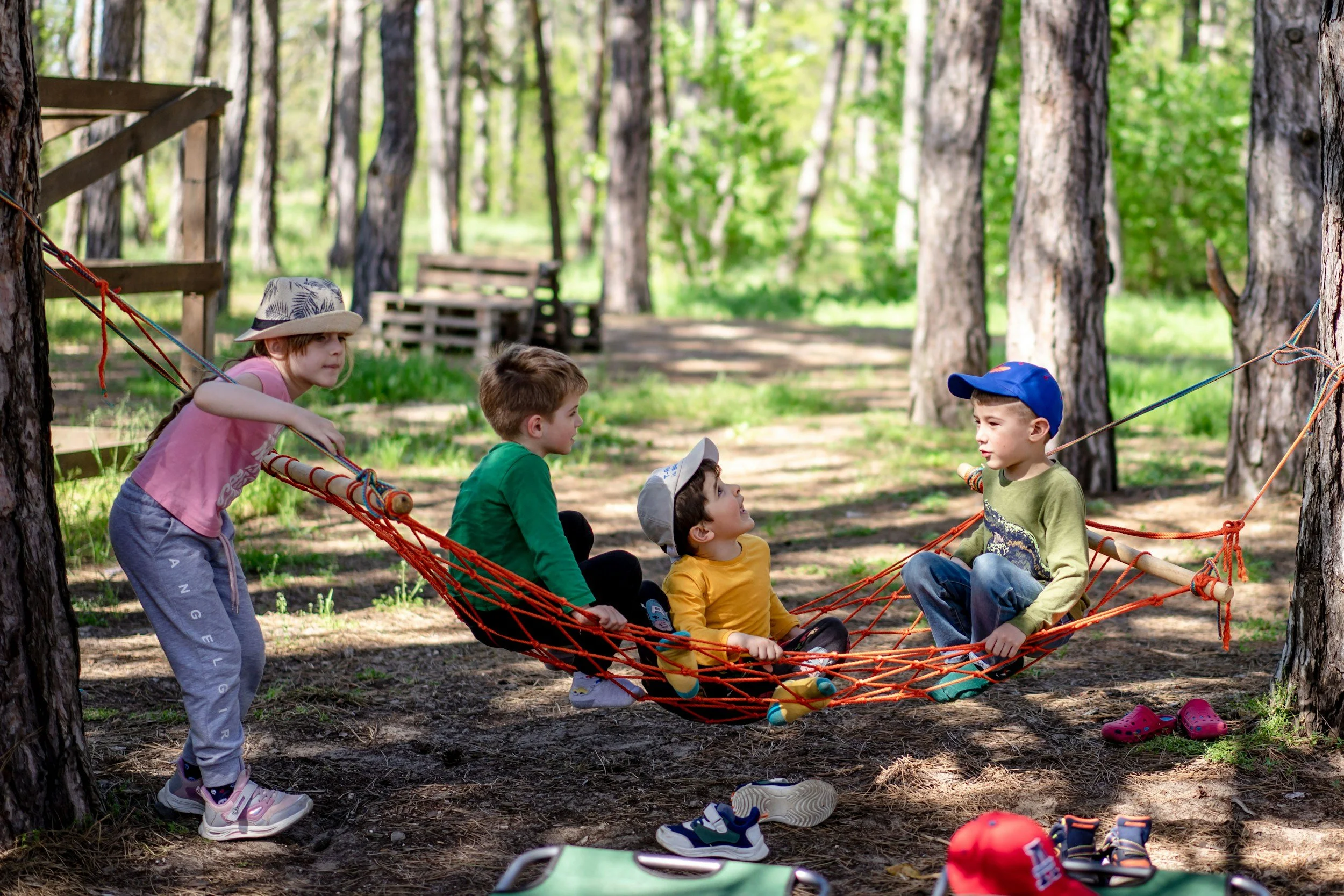
Understand Your Child’s Social Style
Every child approaches friendships differently. Some children are outgoing and make friends quickly, while others prefer one close friend or take longer to warm up. Neither is better or worse.
As a parent, start by observing and listening. Does your child enjoy group play or prefer one-on-one interactions? Do they get overwhelmed in noisy settings? Understanding your child’s temperament helps you support them in ways that suit who they are, rather than who we think they *should* be.
Let your child know that it’s okay to be themselves. Reassure them that friendships look different for everyone.
Talk Openly About Friendship
Conversations about friendship should be ongoing and pressure-free. Ask gentle, open-ended questions such as:
* “Who did you play with today?”
* “How did that make you feel?”
* “What do you enjoy doing with your friends?”
Avoid jumping straight into problem-solving. Sometimes children just want to be heard. When they feel understood, they’re more likely to open up about worries or challenges they may be facing.
You can also talk about what makes a good friend—kindness, listening, taking turns, and respecting boundaries—using real-life examples or stories.
Teach Social Skills in Everyday Moments
Social skills don’t need to be taught in formal lessons. Everyday life provides plenty of opportunities to practise.
Model friendly behaviour by greeting neighbours, thanking shop staff, and showing empathy in conversations. Children learn a great deal by watching how adults interact.
You can also role-play simple scenarios at home, such as:
* How to ask someone to play
* How to join in a game
* What to say if they feel left out
* How to handle disagreements
Keep these role-plays light and playful rather than serious or corrective.
Create Opportunities for Connection
Children often need help accessing social opportunities, especially when they’re younger. Parents can support this by:
* Arranging playdates with one child at a time
* Encouraging participation in clubs, sports, or hobbies that match their interests
* Choosing environments where your child feels comfortable and confident
One-on-one playdates can be especially helpful for children who find groups overwhelming. Short, structured playdates often work better than long, unplanned ones.
Support Without Taking Over
It’s tempting to step in when we see our child struggling socially, but doing too much can prevent them from building confidence.
Instead of solving problems for them, guide them with questions:
* “What do you think you could say next time?”
* “How might the other child be feeling?”
* “What could you try differently?”
This approach helps children develop problem-solving skills and resilience, which are essential for long-term friendships.
Help Children Cope With Rejection
Friendship challenges are a normal part of growing up. Being left out or rejected can be painful, and children need reassurance that these experiences do not define their worth.
Validate their feelings without minimising them:
“I can see that really hurt. It’s okay to feel sad about it.”
Then gently help them reframe the situation and look forward:
“Not everyone will be a good match for us, and that’s okay. You will find people who enjoy you for who you are.”
Teaching children how to cope with disappointment builds emotional strength and confidence.
Celebrate Small Wins
Friendship progress often happens in small steps—a smile returned, a short conversation, an invitation to play. Celebrate these moments with your child.
Positive reinforcement helps children notice their own growth and feel proud of their efforts, even when friendships are still developing.
Be Patient and Kind—to Them and Yourself
Friendships unfold in their own time. Some children find their people quickly, while others take a little longer — and that’s okay. Every child’s social journey is unique.
What matters most is that your child feels supported along the way. Your steady presence, gentle encouragement, and belief in who they are matter more than any single social success.
With patience and understanding, you’re not just helping your child make friends — you’re helping them build the foundations for meaningful relationships that will grow over time.