

Helping children navigate separation anxiety and build confidence with school goodbyes
Starting school is a big milestone. There may be excitement about new friends, a new classroom, wearing a school uniform and all the wonderful things waiting to be discovered. But alongside the excitement, there can also be worry. For some children, the hardest part of starting school isn't the classroom, the learning or making friends. It's saying goodbye. There may be tears at the school gate, little hands holding tightly, repeated questions about when Mum or Dad will return, or a child who suddenly seems unsure about something they were previously excited about. And for parents, those goodbyes can feel just as big.
You might find yourself wondering:
Will my child be okay without me?
What if they cry and I have to leave?
How will I know if they're settling?
What if they're not ready?
Starting school is a transition for the whole family, and learning to be apart can take time.
Understanding separation anxiety
Separation anxiety is the worry or distress a child may experience when they are apart from a parent, carer or another important person. It is a common and developmentally normal experience, particularly during significant transitions such as starting kinder or school, returning after holidays or adjusting to unfamiliar routines.
Separation anxiety can look different for every child. Some children may cry, cling, refuse to let go or become very distressed at goodbye. Others may become quiet, withdrawn or unusually worried. Some children may complain of a sore tummy, struggle to sleep, repeatedly ask when they will be picked up or seek extra reassurance.
Sometimes separation worries appear before the school day has even begun. A child might resist getting dressed, become upset over something small, refuse breakfast or say they don't want to go to school. It is also possible for a child to appear excited and confident during school visits but find the actual goodbye much harder. A child can be excited about school and still feel worried about being apart. Both feelings can exist together.
What's happening in a child's brain?
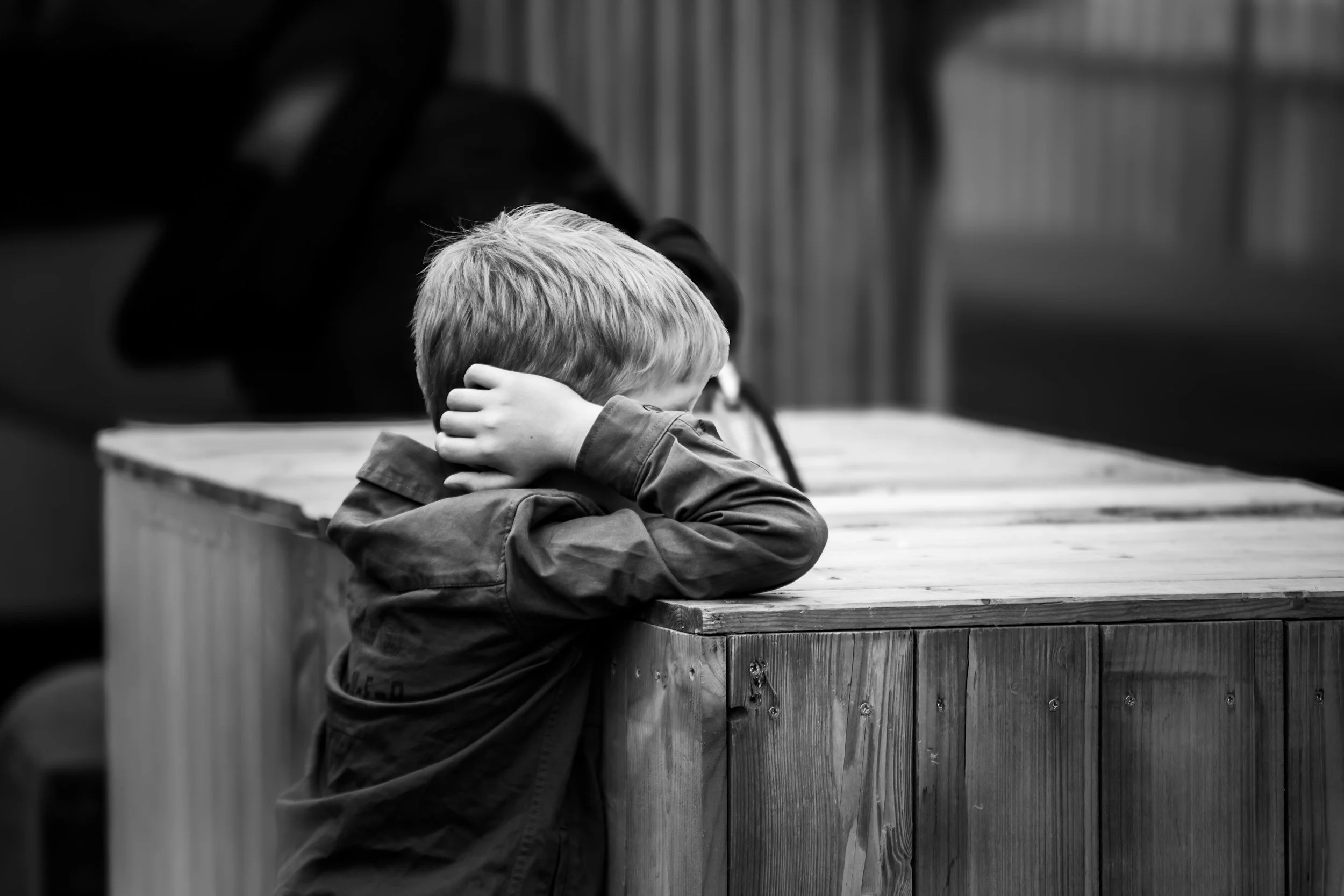
Young children are still developing the brain networks that support emotional regulation, flexible thinking, planning and problem-solving. When a child experiences separation as frightening or uncertain, their brain's threat-detection systems can become highly activated. Their body may respond with a racing heart, tears, a tight tummy, an urge to hold on or a strong need to escape the situation. In these moments, children can become flooded with emotion. When their stress response is high, it becomes much harder to access the thinking skills needed to listen, reason, remember reassurance or work out what to do next.
This is why a child might struggle to take in words such as:
"You'll be fine."
"There's nothing to worry about."
"But you love school!"
Even when those words are well-intentioned, a child who is overwhelmed may not be able to use that reassurance straight away. Their emotional response is not necessarily a choice, defiance or an attempt to make the morning difficult. Their feelings may be bigger than their current ability to manage them independently.
Children gradually develop the ability to regulate their emotions through repeated experiences of feeling safe, being supported by trusted adults and learning what helps their bodies settle. This is sometimes called co-regulation. A calm adult voice, predictable routine, familiar teacher and gentle reassurance can help children begin to feel safe enough to manage the transition. We cannot always prevent the worried feeling, but we can help children learn what to do when that feeling arrives.
Building confidence through predictable goodbyes
Children often feel more secure when they know what to expect. Imagine arriving at school and not knowing where to go, who will help you, what happens next or when someone will return. For a young child, that uncertainty can feel enormous. Predictable routines reduce some of the unknowns. A simple goodbye ritual might include a cuddle, a special phrase, a high-five and a wave before the child joins their teacher. When the same routine happens regularly, the child begins to recognise the pattern: "I arrive at school. I say goodbye. My teacher helps me. I do my school activities. Someone comes back to collect me."
For children who need additional support, a visual routine or social story can make these steps easier to understand.
Some children benefit from having a familiar job when they arrive, such as putting their bag away, choosing a book or helping the teacher prepare an activity.
The aim isn't to make children separate before they feel ready. It is to provide the right support so the goodbye becomes manageable. A brief, predictable goodbye followed by a supported handover is often more reassuring than a goodbye that is repeatedly extended or restarted.
When mornings feel hard
Sometimes the difficulty begins long before reaching the school gate. A rushed morning, missing shoes, an unexpected change, tiredness or repeated reminders can add to a child's stress before the school day even begins. For children who are already worried about separation, these little pressures can make their emotions feel even bigger.
A calmer start can make a difference. Preparing schoolbags, uniforms and lunchboxes the night before may reduce the number of decisions and demands in the morning. Some families find that putting on favourite music, having a familiar breakfast routine or allowing a little extra time helps everyone begin the day more comfortably. Other children may prefer a quiet morning with fewer sounds and less conversation.
There is no single routine that works for every family. The important thing is to find a rhythm that supports your child's needs and makes the morning feel a little more predictable. And when the morning doesn't go to plan? That doesn't mean the whole day is ruined.
After a difficult goodbye
It can be tempting to focus on the tears or difficulties when collecting your child.
"Were you sad all day?"
"Did you cry after I left?"
"Was it okay without me?"
While it is important to understand how your child coped, repeatedly returning to the worry can sometimes keep their attention on the hardest part of the day. Instead, pick-up can offer an opportunity for warmth, familiarity and reconnection. You might greet your child with a smile, a cuddle or a familiar phrase. Perhaps you listen to their favourite song on the way home, share a snack or simply enjoy some quiet time together. These positive and predictable experiences can help children build reassuring associations with the school routine. Over time, they may begin to recognise: "Even when goodbye feels hard, there are people who help me, things I enjoy at school, and someone comes back for me."
Some children will be ready to talk about their day. Others may be tired, quiet or need time to decompress.
A positive pick-up doesn't need to be a big event. Sometimes the best welcome is simply being together again.
Handy tips for supporting school goodbyes
There are many gentle ways to help children prepare for separation. Different children will respond to different strategies, and what helps one day may not be what they need the next.
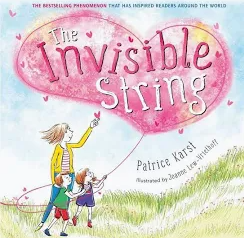
Read books together: Stories can help children explore worries and feelings in a safe, indirect way. “The Invisible String” by Patrice Karst is a lovely example. It introduces the idea that we remain connected to people we love, even when we cannot see them. Reading together can open up conversations about missing someone, feeling worried and knowing that important relationships remain.
Try a transitional object: Some children find comfort in carrying a small reminder of home, such as a photograph, drawing, special keyring or pocket heart.
A palm heart: Draw a matching on heart on your childs palm and your palm. You can explain to your child, "when you miss me, hold your press your palm heart and remember that I'm thinking of you. We'll be together again after school."
Make a little Worry Monster: A Worry Monster is a playful way to help children share feelings that may be difficult to put into words. Children might draw, decorate or make their own monster, then write or draw a worry to place inside its mouth or pocket. Often children worry about: "What if I don't have anyone to play with?" or "What if I miss Mum?" or "What if I don't know what to do?" The Worry Monster doesn't need to make the worry disappear. It simply gives children a way to express what is on their mind, so adults can listen and help them make a plan.
Practice and prepare: Visits to the school, photographs of the classroom, meeting the teacher, practicing school routines and reading social stories can all help build familiarity.
Short, manageable separations with trusted adults can also give children opportunities to experience that separation is temporary.
Work together with the teacher
If goodbyes are consistently difficult, talk with the teacher about a supportive arrival plan. A familiar adult, predictable handover, quiet starting activity or agreed way to check in can make a meaningful difference.
Every child will find their own way. Some children settle into school quickly. Others need more time, reassurance and individualised support.
For neurodivergent children, separation may also involve sensory demands, unfamiliar expectations, communication differences, changes in routine or uncertainty about what will happen next. A child may appear settled at school while working very hard to manage the demands of the day, then release their emotions when they return home.
It is important to remain curious about what is difficult for the individual child rather than expecting every child to respond to the same approach.
If separation distress is intense, persists, worsens or significantly affects attendance and everyday life, it may be helpful to work with the school and seek guidance from an appropriate health professional.
Needing additional support is not a measure of a child's readiness or potential.
And what about parents?
Starting school can bring up many feelings for parents too. Excitement, pride, sadness, worry and uncertainty can all sit alongside each other.
Watching your child struggle with goodbye can be particularly difficult when your instinct is to protect, comfort and stay close.
You don't need to pretend that separation is easy. Having a plan with the teacher, knowing how your child will be supported, and giving yourself time to adjust can help you feel more confident too.
Starting school isn't simply about children learning to be apart. It is about families finding new routines, developing trust in new relationships and gradually building confidence in a different stage of life.
A reflection to leave you with
A confident goodbye doesn't always mean a goodbye without tears. Sometimes confidence begins with a child who feels worried, knows someone will help them, and slowly discovers that they can manage this new experience.
One goodbye, one familiar face and one little step at a time.