
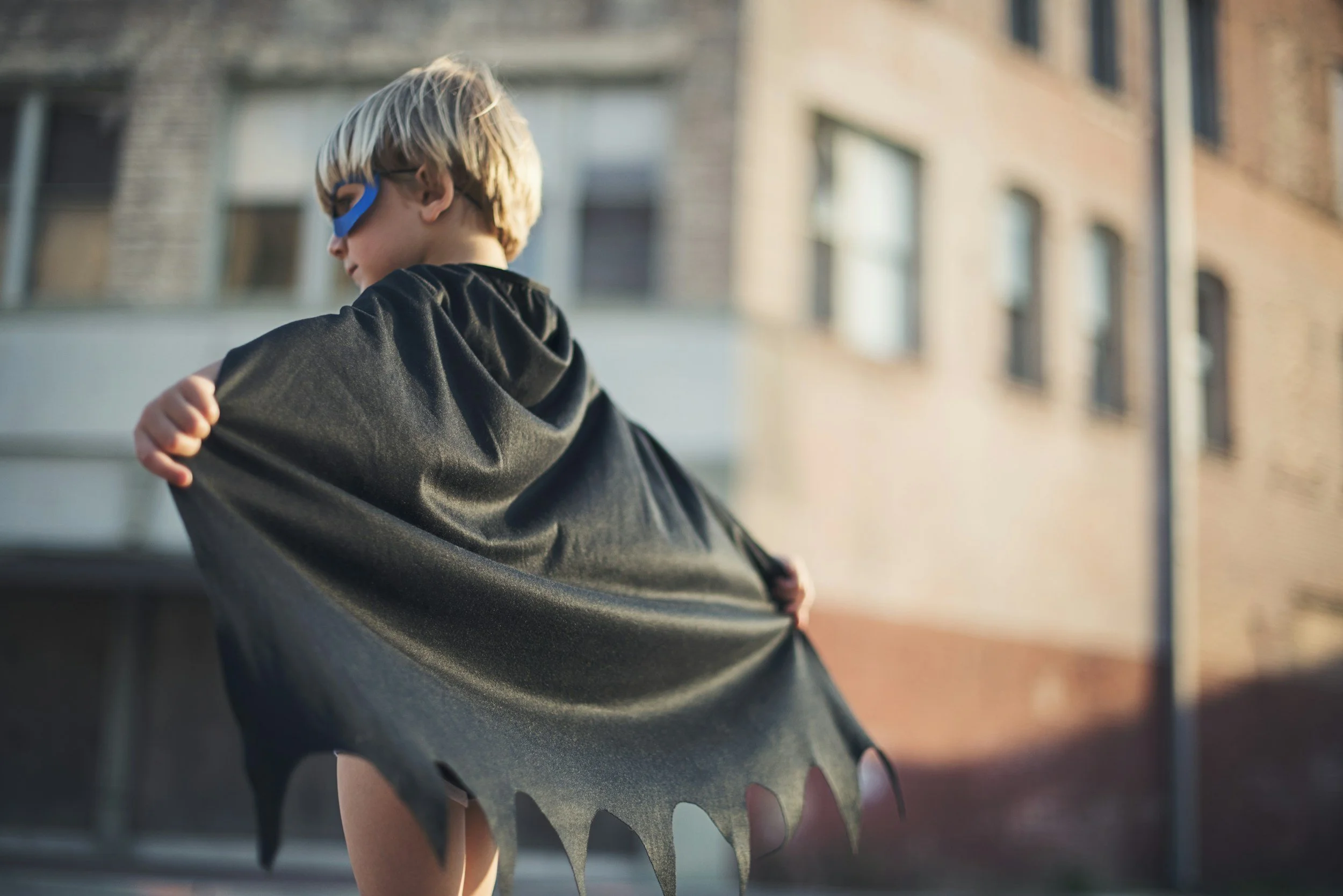
Helping Children Notice Their Strengths to Build Confidence
Every child has strengths. Some strengths are easy to see. A child might be great at drawing, building, running, dancing, making people laugh, solving puzzles, remembering facts, creating stories, or caring for animals.
Other strengths can be quieter:
- A child might notice tiny details.
- A child might care deeply about fairness.
- A child might keep trying even when something feels hard.
- A child might have a wonderful imagination.
- A child might be sensitive to how others feel.
- A child might ask thoughtful questions.
- A child might be brave in small ways that adults do not always notice.
When children begin to notice their strengths, they start to build a stronger sense of who they are. Not just: “I am good at this.” But: “I have something valuable inside me.” “I can try.” “I have strengths I can use.” “I am more than my mistakes, worries or hard moments.”
Strengths are not just talents
When we think about strengths, we often think about the things children are obviously good at: sport, art, music, reading, maths, building, performing etc. But strengths are much broader than talents. A child’s strength might be:
Kindness — noticing when someone needs help.
Bravery — trying something even when it feels scary.
Creativity — thinking of new ideas.
Persistence — having another go when something is tricky.
Curiosity — asking questions and wanting to understand.
Humour — bringing laughter and playfulness.
Leadership — helping organise ideas or games.
Empathy — caring about how others feel.
Problem-solving — finding a different way.
Imagination — creating stories, worlds and possibilities.
Honesty — telling the truth, even when it is hard.
Fairness — noticing when something does not feel right.
Focus — spending time on something important.
Energy — bringing enthusiasm and movement.
Gentleness — being careful, thoughtful or calm with others.
Children do not need to be the best at something for it to be a strength. A strength is something inside them that can help them grow, connect, learn and cope.
Why strengths matter
When children know their strengths, it can support their confidence and sense of identity. Strengths help children feel: capable, valued, hopeful, brave and resilient. Knowing our strengths does not mean we ignore challenges. Children still need support with big feelings, friendships, learning, flexibility, frustration, anxiety, behaviour and everyday skills. But when children understand their strengths, they have something to lean on when things feel hard. Strengths can become tools children carry with them.
Interests can become pathways to confidence
Children often build confidence through the things they enjoy. When a child spends time doing something they love, they get important experiences of:

I can do this.
I have ideas.
I can make choices.
I can solve problems.
I can keep going.
I can enjoy being me.
These experiences matter.
- A child who builds LEGO may be practising planning, problem-solving and persistence.
- A child who draws characters may be practising creativity, expression and identity.
- A child who cares for animals may be practising empathy, gentleness and responsibility.
- A child who loves facts may be practising memory, focus and sharing knowledge.
- A child who enjoys pretend play may be practising flexible thinking, storytelling and emotional expression.
- A child who likes sport may be practising teamwork, courage and stamina.
- A child who enjoys organising collections may be practising order, attention to detail and pattern-spotting.
Sometimes adults may see a child’s interest as “just play” or “just a hobby,” but for children, these moments can be powerful. They are moments where a child can feel competent. They are moments where a child can experience themselves as capable. They are moments where confidence can quietly grow.
Confidence grows from feeling capable
Confidence does not always grow from being told, “You can do it.” Sometimes confidence grows from repeated experiences of: “I did that.” “I made that.” “I worked that out.” “I tried again.” “I had an idea.” “I found my own way.”
When children spend time in their strengths, their brain collects little pieces of evidence: I can learn. I can create. I can solve problems. I can be brave. I can keep going. Over time, these small experiences can help children approach new or tricky things with more self-belief. A child may not feel confident in every area of life. They may struggle at school, with friendships, with mistakes, with change, or with trying something new. But when they have safe places where they feel capable, interested and engaged, those experiences can become stepping stones. Confidence often grows from the inside out.
Strengths, masking and being yourself
For some neurodivergent children, confidence can be complicated. Many autistic, ADHD and highly sensitive children spend a lot of energy trying to fit into environments that do not always match the way their brain and body work. They may mask, mimic, copy others, hide their needs, or adapt their behaviour so they do not stand out.
They may be working hard to:
- appear “fine”
- follow the group
- copy what peers are doing
- hold in big feelings
- hide confusion
- laugh when they do not understand
- say yes when they want to say no
- avoid standing out
- get through the day without being noticed
From the outside, adults may think the child is coping. But inside, they may be using a lot of energy to get through. This can make it harder for children to know what they truly enjoy, what feels comfortable, and what strengths are really theirs. A child might become very good at noticing what others expect, but less confident in trusting their own ideas. They might wonder: “What should I do so people like me?” “What is the right answer?” “How do I act like everyone else?” “Will people think I’m weird?” “Is it okay to like what I like?”
When we support children to notice their strengths, we are also helping them build a stronger sense of self. Not a version of themselves that is shaped only by fitting in, pleasing others, or getting it “right” — but a sense of self that says: “This is what I enjoy.” “This is how my brain works.” “These are my strengths.” “I am allowed to be myself.”
This might mean celebrating interests that are intense, unique, repetitive, creative, quiet, active, playful or different from what other children enjoy. It might mean noticing strengths such as deep focus, honesty, pattern-spotting, fairness, creativity, humour, persistence, memory, empathy, problem-solving, imagination or attention to detail. When children feel safe to be themselves, their strengths often become easier to see.
For some children, their greatest superpower may be learning that they do not have to hide who they are to belong.
Strengths can show up in unexpected ways
Sometimes a child’s strength may be hidden close to something that feels challenging.
- A child who asks lots of questions may be curious.
- A child who notices every small detail may be observant.
- A child who feels things deeply may be empathetic.
- A child who wants things to be fair may have a strong sense of justice.
- A child who has big ideas may be imaginative.
- A child who keeps returning to the same interest may have focus, passion and deep knowledge.
This does not mean every behaviour is okay. Children still need guidance, boundaries and support. But when we can notice the strength nearby, we can support the child without making them feel like the hard part is all we see.
Children may not see their own strengths yet
Many children are quick to notice what they cannot do. Some children compare themselves to others. Some children fear making mistakes. Some children only see the hard parts of their day. Some children are often corrected, reminded or redirected, and may begin to see themselves through that lens. This is why children may need adults to gently reflect strengths back to them. Not in a way that feels forced or overly positive, but in a way that is real, specific and believable. Specific noticing helps children understand what strength they used.
Our brains can notice the hard things first
Our brains are wired to notice problems, mistakes and things that feel unsafe. This can be helpful when we need to pay attention to danger or solve a problem. But it can also mean children may notice what went wrong before they notice what went well.
They may remember the mistake.
They may hold onto the tricky friendship moment.
They may focus on the part they could not do.
They may compare themselves to others.
They may miss the quiet strength they showed while trying.
This does not mean children are being negative on purpose. Their brain may simply be giving more attention to the hard part. That is why strengths need to be noticed, named and repeated. When adults gently reflect strengths back to children, we help balance the story. Over time, children begin to collect a fuller picture of themselves.
Superpowers can grow and change
A child’s superpower does not need to stay the same.
• Some days their superpower might be bravery.
• Some days it might be asking for help.
• Some days it might be trying again.
• Some days it might be resting when their body needs a break.
• Some days it might be choosing to be themselves.
Strengths are not about being perfect. They are about noticing what helps us move through the world. Children can have strengths and still struggle: they can be brave and still feel worried. They can be creative and still get stuck. They can be persistent and still need support. A strengths-based lens helps children understand: “There are good things in me, even when things feel hard.”
A reflection to leave you with
As children grow, they are learning more than skills. They are learning who they are.
For some children, strengths may be easy to see. For others, their strengths may be tucked underneath worry, masking, comparison, big feelings, or the effort of trying to fit in.
When we help children notice what is strong, meaningful and true about them, we help them build a sense of self that is not based only on performance, behaviour or pleasing others.
And for some children, their greatest superpower may be learning that they do not have to hide who they are to belong.