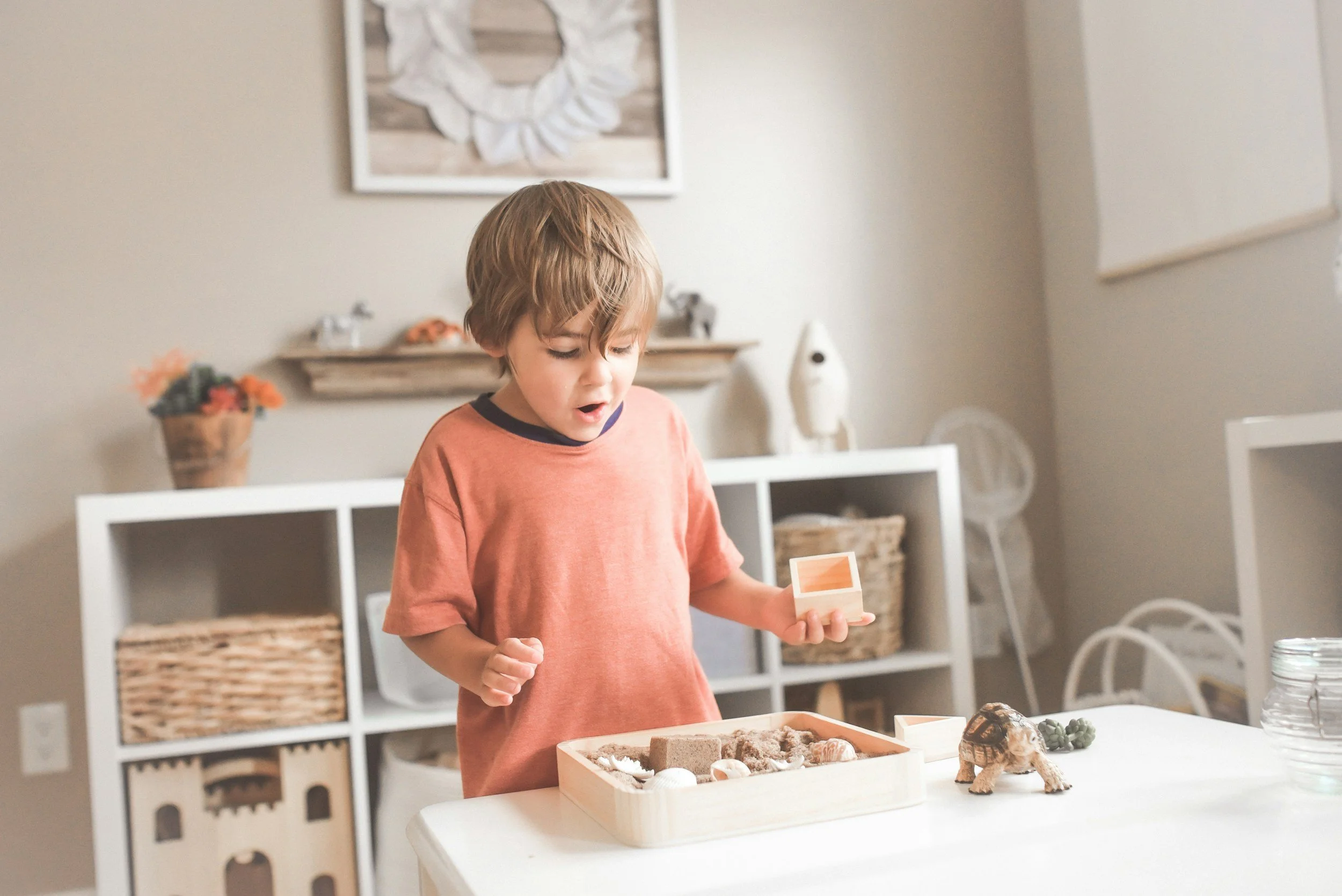
How often have you heard your child say “I’m bored!” As adults, we often think of boredom as a simple problem, especially when they have lots of toys. We can often respond to children with:
“Just go and play.”
“Find something to do.”
“You have so many toys.”
“Use your imagination.”
But for many children, boredom does not feel simple at all.
Boredom can feel uncomfortable, frustrating, overwhelming or even a little bit scary. Some children find it hard to start play on their own. Some children worry they will not have a good idea. Some children want an adult to play with them because being alone with an open-ended activity feels too hard. Some children move quickly into screens because screens offer instant direction, stimulation and reward.
Boredom is not a bad thing. In fact, boredom can become the quiet space where imagination begins. But some children need support to get through the uncomfortable part before creativity, play and confidence can grow.
Why boredom can feel hard
When a child says, “I’m bored,” it might not just mean there is nothing to do. It might mean:
“I don’t know how to start.”
“I don’t know what to play.”
“I want someone to be with me.”
“I feel flat and need something to spark my interest.”
“I want something exciting to happen right now.”
“I don’t like the feeling of quiet.”
“I don’t know how to play without a screen.”
“I need connection before I can move into play.”
For some children, especially children who experience anxiety, ADHD, autism, sensory differences, low confidence or big feelings, boredom can feel very uncomfortable in the body. It may show up as irritability, restlessness, silliness, frustration, arguing, giving up quickly, needing control, or repeatedly asking an adult what to do. This does not mean the child is lazy or ungrateful. It may mean the child is still learning how to begin, imagine, persist and play.
Boredom and fear of getting it wrong
Some children avoid play, building or creative activities because they worry about doing it the “wrong” way. Sometimes “boring” is the word children use when something feels too open, too uncertain or too vulnerable. Open-ended play and creativity require children to take little risks. They have to try without knowing exactly what will happen. They have to make choices. They have to tolerate the possibility that something may not work the first time or look the way they imagined. That is why play is so powerful. When children play, draw, build, create, imagine, move or explore, they are practising: trying something new, making decisions, solving problems, tolerating frustration, being flexible, recovering from mistakes, expressing ideas, building confidence, trusting their own imagination… The goal is not to make something perfect. The goal is to practise beginning.
Boredom can be a doorway into play
Boredom often comes before creativity. Before a child builds a LEGO base, creates a story, invents a game, draws a picture, makes a potion, designs a creature, builds a marble run or explores sensory play, there may be a small uncomfortable moment of not knowing what to do. That moment matters. If adults always rush in to entertain, fix or provide the next exciting thing, children may miss the chance to develop their own play muscles. But this does not mean we leave children to struggle. Instead, we can support them just enough to help them begin. This might sound like:
“You don’t need the whole idea yet. Just choose one thing to start with.”
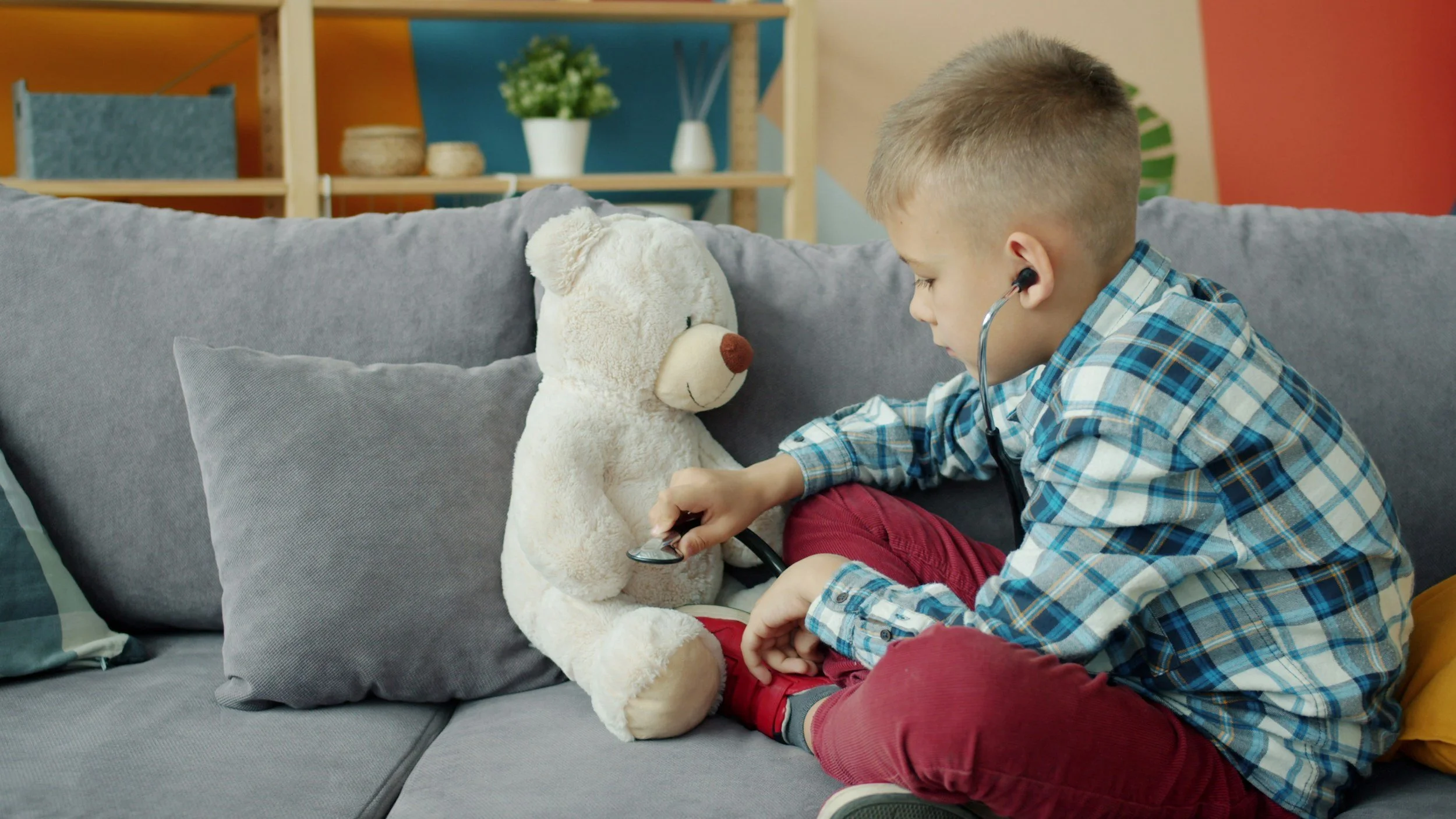
“I wonder what this could become?”
“Let’s do the first step together.”
“You can try it your way.”
“There is no right or wrong way to create.”
“You look stuck. Would you like a little idea to get started?”
“I’ll sit with you for a few minutes, then you can keep going.”
“Sometimes ideas come after we start.”
This is called scaffolding. It means we offer support without taking over.
Supporting play without becoming the entertainer
Many parents feel pressure to keep children busy, entertained and happy. But children do not need adults to constantly entertain them. They do need adults to help create the conditions where play can grow. This might include: having a few open-ended materials available, reducing too many choices, starting with a small invitation, joining briefly and then stepping back, allowing mess within limits, making room for repetition, accepting that play may look different for each child or noticing effort rather than outcome.
Sometimes the best support is not a full activity plan. It might simply be placing out a tray, LEGO, blocks, play dough, sensory rice, paper, craft materials, small animals, cards, cars, recycled boxes or building pieces and saying: “I wonder what you could make with this?” Then give the child time. Some children will jump straight in. Others will need you nearby. Some will watch first. Some will repeat the same type of play many times before expanding their ideas. That is okay. Repetition is often how children build confidence.
Play can look different for every child
Play does not need to be colourful, crafty or messy to be meaningful. Some children love art, sensory play and making things with their hands. Other children are drawn to building, designing, collecting, sorting, moving, gaming themes, vehicles, characters, challenges or problem-solving. The important part is not what the play looks like. The important part is that the child is practising ideas, choices, flexibility, problem-solving, persistence and imagination.
• A child building the same LEGO base many times may be practising planning and mastery.
• A child creating a battle scene may be exploring power, safety and problem-solving.
• A child making a marble run may be testing, adjusting and tolerating frustration.
• A child designing a character may be expressing identity, strengths or worries.
• A child organising cards or collections may be finding comfort in order, patterns and predictability.
Independent play grows slowly
Independent play does not usually happen all at once. For some children, the first step is not playing alone. The first step is feeling safe enough to play near an adult. Independence may grow in small stages:
• First, the adult plays with the child.
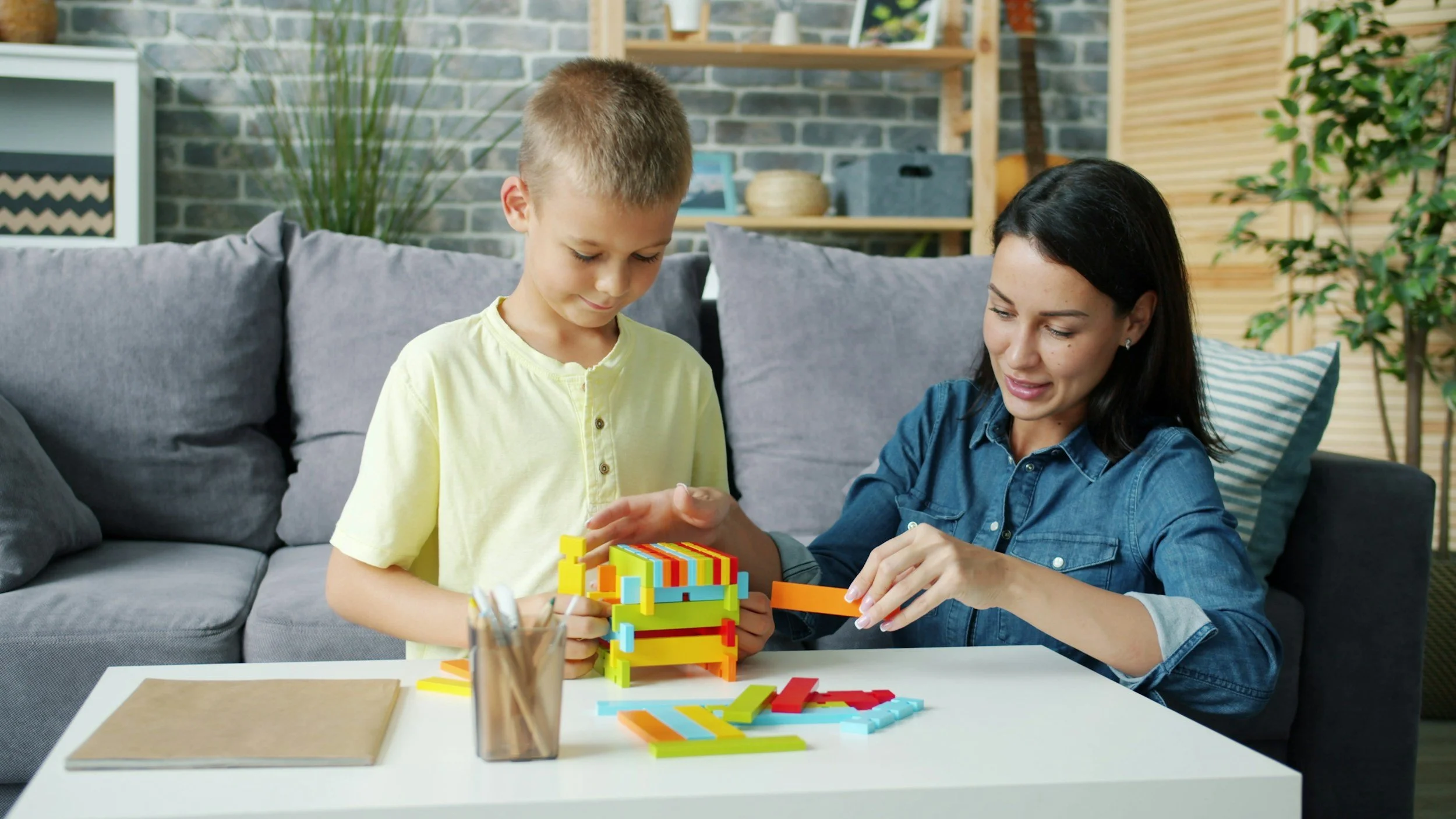
• Then, the adult starts the play and the child joins in.
• Then, the adult sits nearby while the child plays.
• Then, the child plays for a few minutes while the adult is close.
• Then, the child slowly builds confidence to play for longer periods.
This is especially important for children who experience separation anxiety, low confidence, anxiety, developmental delays, neurodivergence or a strong need for connection.
We can gently build independence by saying:
“I’ll start with you.”
“I’ll stay close while you try.”
“I’m going to watch you for a minute.”
“I’ll be in the kitchen while you keep building.”
“Come and show me when you have made the next part.”
Small steps count.
Play supports more than imagination
Play is not just something children do when there is nothing else happening.
Play helps children develop important life skills: flexible thinking, problem solving, emotional expressions, social skills, frustration tolerance and confidence. When we support children to play, we are supporting far more than keeping them busy. We are helping them build the skills they need to manage challenge, relationships, learning and everyday life.
What if my child only wants screens?
Screens are not the enemy. They are part of modern family life, and many children enjoy them. However, screens often give children fast stimulation, clear goals and instant feedback. Real-world play can feel slower and more effortful in comparison. If your child finds it hard to move from screens to play, try to avoid making it a battle about “good” and “bad” activities. Instead, you might create small screen-free pockets in the day.

Simple play starters for home
When children are stuck, a small prompt can help. Open-ended materials are wonderful because there is no single right answer. I have created a set I Wonder Play Cards that you can download for free.
Some helpful materials might include (you might already have these):
- sensory rice
- play dough
- LEGO
- blocks
- cardboard boxes
- paper and markers
- stickers
- collage materials
- small animals or figures
- cars and ramps
- magnetic tiles
- marbles or balls
- fabric pieces
- loose parts
- natural materials
- water play
- craft supplies
- mini world trays
- board games or card games
- recycled materials
- tape, string and boxes
You do not need a perfect setup. A small invitation is enough. When children say, “I don’t know what to do.” Try offering a little structure without taking over. You could say:
“Would you like to draw, build or make?”
“Do you want something messy or something quiet?”
“Would you like to start with LEGO or drawing?”
“Do you want to make something for yourself or for someone else?”
“Would you like a challenge card?”
“Should we set a timer for five minutes and just start?”
“Do you want me to give you one idea, or do you want to choose?”
Too many choices can feel overwhelming. Two choices are often enough. Once your child begins, try to step back a little and let their ideas lead.
A gentle reminder for parents
You do not need to create magical play opportunities every day. You do not need a cupboard full of activities. You do not need to entertain your child every time they are bored.
Sometimes children need a little support to begin. Sometimes they need connection first. Sometimes they need fewer choices. Sometimes they need to practise staying with the uncomfortable feeling of “I don’t know yet.”
Boredom is not something we always need to fix. When we support children through boredom, we are not just helping them fill time. We are helping them discover:
“I can have ideas.”
“I can try something new.”
“I can make something my way.”
“I can keep going.”
“I can play.”
A small invitation for this month
This month, you might like to create one small play invitation at home.
It could be:
a basket of craft materials
a sensory tray
a few blocks and animals
a LEGO challenge
a drawing prompt
a box of loose parts
a play dough invitation
a “make a tiny world” challenge
a cardboard box and tape
a board game
a marble run
a quiet corner with paper and pencils
Then, instead of asking, “What do you want to do?” you might try: “I wonder what this could become?”
Sometimes that little question is enough to open the door to play.