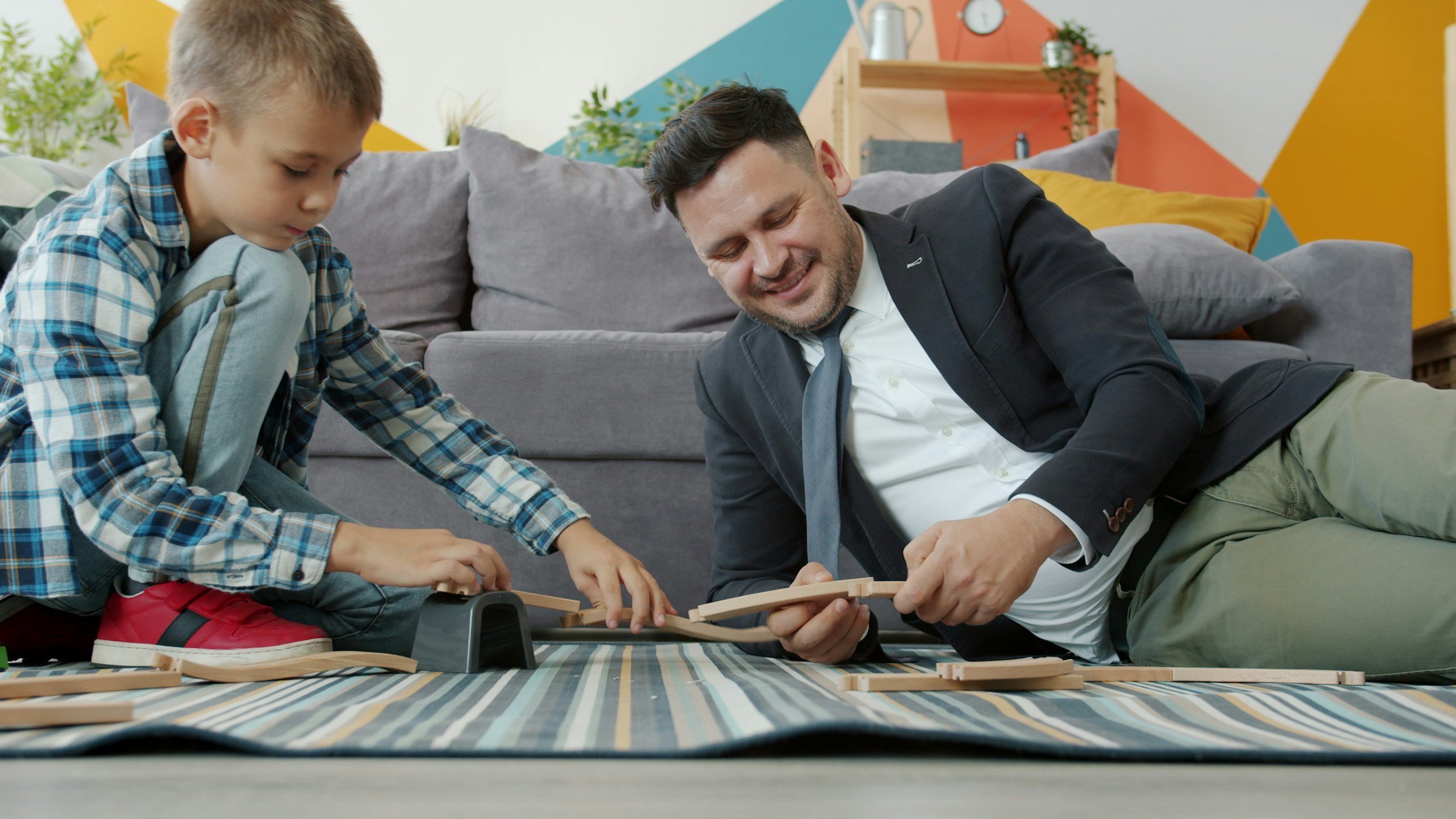
Family life can be full. There are lunches to pack, school bags to find, appointments to attend, emails to answer, dinners to make, washing to fold, bedtime routines to get through, and all the everyday things that keep a family moving.
When life is busy, it is easy to slip into task mode.
“Hurry up.”
“Put your shoes on.”
“Have you packed your bag?”
“Stop annoying your sister.”
“Brush your teeth.”
“Come on, we’re late.”
These moments are normal. They are part of family life. But in the middle of the busyness, children also need moments where they feel more than managed. They need to feel noticed.
They need to feel enjoyed. They need to feel liked. They need to feel that their parent sees something wonderful in them. This is the power of being delighted in.
What does it mean to be delighted in?
Being delighted in means a child feels that an adult genuinely enjoys who they are. Not only when they are achieving. Not only when they are behaving. Not only when they are being easy. But in the small, ordinary moments of being themselves.
It might be the way they tell a story. The way they laugh. The way they create something. The way they ask curious questions. The way they dance in the kitchen. The way they care for a pet. The way they line up their toys. The way they notice tiny details. The way they invite you into their world.
When children feel delighted in, they receive a powerful message:
“You are not just loved because you are my child. You are liked, enjoyed and special to me.”
Children feel connection in small moments:
Connection does not need to be big. It does not need to be a special outing, an expensive activity, or an hour of uninterrupted time. Children often feel connected through small moments that are repeated over time.
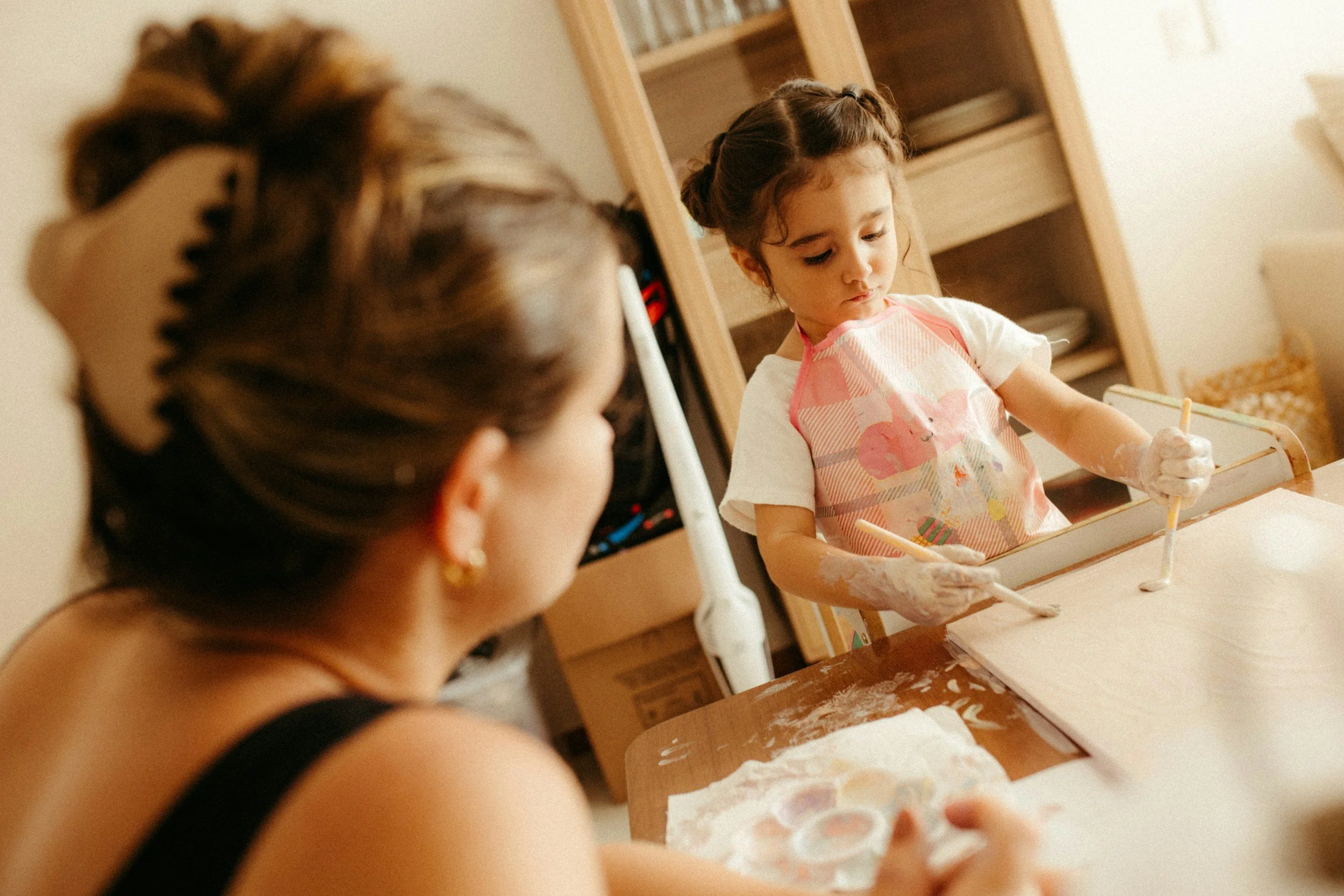
- A smile when they walk into the room.
- A cuddle before school.
- A silly voice while getting dressed.
- A wink across the table.
- Listening to their story in the car.
- Watching what they want to show you.
- Laughing at their joke.
- Joining their play for five minutes.
- Saying, “I love watching you create.”
- Saying, “I’m so glad I get to be your mum/dad.”
These moments may seem small to adults. To children, they can feel very big.
When family life becomes task mode:
All families spend time in task mode. Task mode helps things get done. Children do need routines, boundaries, reminders and guidance. But sometimes, when life has been stressful or children have been having a hard time, task mode can start to take over. The day can become full of instructions, corrections and reminders. Over time, parents might feel like they are always managing. Children might feel like they are always being corrected. This is not about blame. It is simply an invitation to gently ask: “Where are the small moments where my child feels enjoyed?” Not perfect moments. Not big moments. Just small moments.
Small ways to show delight
You might show delight through your face: a smile, warm eyes, a playful expression
looking up when they enter the room or watching with interest.
You might show delight through your body: sitting close, joining in, turning toward them
giving a cuddle, high five or hand squeeze, dancing, playing or being silly together.
You might show delight through your time: listening for a few minutes, letting them show you something, asking about their interests, joining their world briefly or being present in one small moment.
How does my child feel loved?
Every child is different. Some children feel most loved through time together.
Some through words. Some through affection. Some through help. Some through play and fun. There is no perfect way to connect. The invitation is simply to notice what helps your child feel seen, safe and loved.
My child may feel loved through…
Time Together
Sitting beside them, joining their play, watching what they are doing, or having a few minutes just for them.
Words of Encouragement
“I love being with you.”
“I noticed how hard you tried.”
“You are important to me.”
“I like the way your brain thinks.”
Affection and Closeness
Cuddles, high fives, hand squeezes, sitting close, rough-and-tumble play, or gentle touch — depending on what your child enjoys.
Help and Support
Helping them start something hard, doing the first step together, slowing things down, or saying, “I’m here, we can work it out together.”
Play, Fun and Delight
Being silly together, laughing, joining their world, noticing their imagination, or letting them show you something they love.
Connection can already be happening
This handout is not about doing more. Many parents are already offering connection in small ways every day. You may already be connecting when you:
- make their favourite breakfast
- remember something important to them
- send them to school with a warm goodbye
- listen while driving
- check on them at bedtime
- sit near them when they are tired
- laugh at something silly
- help them when they are stuck
- repair after a tricky moment
- try again the next day
Sometimes the most helpful shift is not adding more, but noticing what is already there.
Repair is connection too
No parent gets it right all the time. There will be rushed mornings, tired evenings, sharp voices, misunderstandings and moments we wish we had handled differently. Repair helps children learn that relationships can have hard moments and still be safe.
Repair might sound like:
“That was a hard moment.”
“I’m sorry I used a sharp voice.”
“I love you, even when things are tricky.”
“Let’s try again.”
“We were both tired.”
“I’m still here.”
Repair is not about being perfect. It is about coming back to connection.
A gentle reflection for parents
You might like to ask yourself:

What did I enjoy about my child today?
When did I see their humour, kindness, creativity, curiosity or courage?
What makes my child light up?
How does my child invite me into their world?
How does my child seem to feel most loved — time, words, affection, help, play, or something else?
What small connection moment already exists in our day?
After a hard moment, how can we gently find our way back to each other?
A small invitation
This week, you might look for one tiny moment of delight.
Not a big plan.
Not a perfect parenting moment.
Not something else to add to your list.
Just one small moment where your child feels: seen, liked, enjoyed or loved. It might be a smile. A laugh. A cuddle. A few minutes of play. A warm goodbye. A repair after a hard moment. A quiet moment sitting side by side. Small moments matter. They tell children:
“I see you.”
“I like being with you.”
“You are special to me.”
“I am glad you are mine.”
A final note to parents
Parenting is a big job!
Some days there is space for play, patience and connection. Other days, everyone is tired, the morning is rushed, the bedtime routine is hard, or you are simply doing your best to get through the day. This handout is not about being a perfect parent. It is not about adding more guilt or another thing to your list. It is a gentle reminder that small moments matter — and that you are likely already creating many of them. We do the best we can with what we know, what we have, and the capacity we are holding in that moment.
And just as children need to feel seen, parents do too.
So please remember:
You matter in this relationship too.
Your efforts count.
Repair is always possible.
And small moments of love are enough to build something meaningful over time.